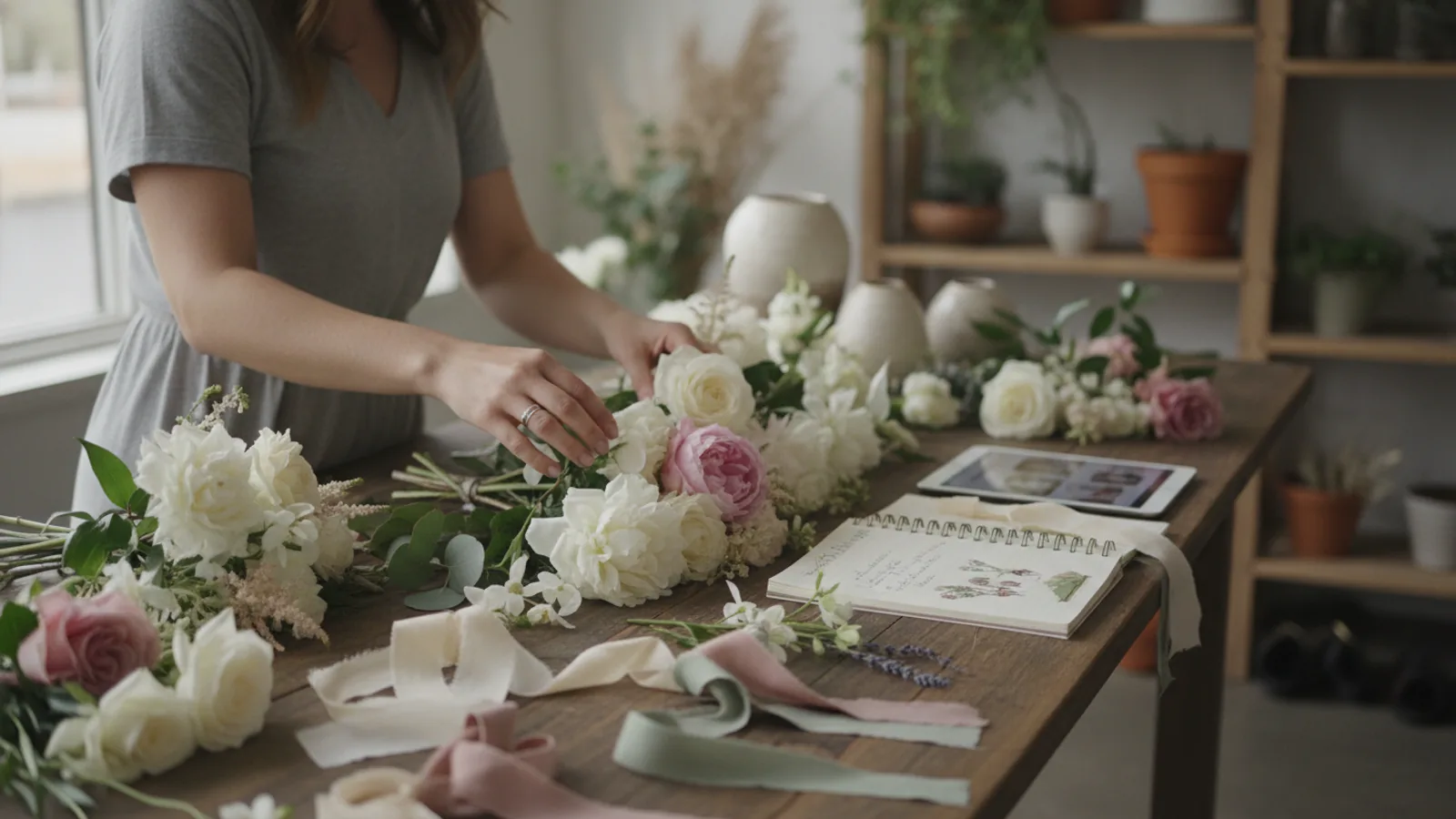
Fresh Flower Bouquet Seasonal Guide
A practical step-by-step guide to fresh flower bouquet seasonal guide, including preparation, instructions, common issues, tips, and next steps.

Fresh Flower Bouquet Seasonal Guide
Selecting fresh flowers can be a delightful experience, especially when you choose blooms that are naturally in season. This guide helps you understand which flowers thrive during specific times of the year in the GB, ensuring your bouquets are not only beautiful but also fresher, last longer, and often offer better value. By following these simple steps, you'll learn how to pick the perfect seasonal arrangement for any occasion, from a thoughtful gift to brightening your own home.
Fast Answer
- Best time to buy seasonal flowers: Throughout the year, choosing blooms specific to Spring, Summer, Autumn, or Winter.
Before You Start
- An understanding of the current season in the GB (Spring: March-May, Summer: June-August, Autumn: September-November, Winter: December-February).
- Basic knowledge of common flower types that grow locally during different seasons.
- Access to a reputable florist, flower market, or local grower.
- A clean vase or container ready for your bouquet.
- Sharp floral snips or secateurs, or a very sharp knife, for preparing stems at home.
- Fresh, cool water and optional flower food.
Step-by-Step Instructions
1. Embrace Spring's Delicate Charms (March, April, May)
Spring is a season of new beginnings, and its flowers reflect this with their fresh, vibrant energy and often delicate scents. When building your fresh flower bouquet seasonal guide for spring, look for blooms that are just emerging from the colder months. These flowers are usually brightly coloured and bring a feeling of joy and renewal.
What to look for: During spring in the GB, you'll find an abundance of tulips, daffodils (narcissi), hyacinths, ranunculus, anemones, freesias, and early peonies (late spring). Other charming options include bluebells, forget-me-nots, and sweet peas as the season progresses. These flowers are typically at their freshest and most affordable during this time.
Choosing tips: Select tulips and daffodils with buds that are just starting to show colour, rather than fully open. Hyacinths should have firm, full florets. For ranunculus and anemones, look for strong stems and petals that are crisp, not bruised. Avoid any flowers with yellowing leaves or soft spots on the stems.
Care notes: Many spring flowers prefer cooler water and dislike direct sunlight or heat. Daffodils release a sap that can shorten the life of other flowers, so it's best to condition them in a separate vase for a few hours before adding them to a mixed bouquet, or use them in their own arrangement. Trim all stems at an angle and change water every one to two days, ensuring no leaves are below the waterline to prevent bacterial growth.
2. Revel in Summer's Vibrant Abundance (June, July, August)
Summer brings a glorious explosion of colour and fragrance, with a huge variety of flowers reaching their peak. This is the perfect time to create a bold and abundant fresh flower bouquet, celebrating the long, warm days. Summer blooms often have a more relaxed, garden-grown feel.
What to look for: The summer months offer magnificent peonies (early to mid-summer), classic roses, stately delphiniums, fragrant sweet peas, cheerful sunflowers, intricate dahlias (late summer), and delicate cosmos. You'll also find vibrant gladioli, hydrangeas, lavender, and snapdragons.
Choosing tips: Peonies should be bought as firm, marshmallow-like buds that are just beginning to open. Roses should have firm petals and no discolouration. Sunflowers should have bright, turgid faces, not drooping heads. For dahlias, ensure the petals are crisp and the stems are strong. Avoid any flowers with faded colours or soft, watery stems, as these are signs of age.
Care notes: Summer flowers, especially during warmer weather, are often very thirsty. Ensure your vase is always filled with fresh, cool water, and change it daily. Recut stems every two days to help them absorb water better. Keep bouquets away from direct sunlight, air conditioning vents, and ripening fruit (which releases ethylene gas) to prolong their life. For hydrangeas, if they start to droop, you can submerge their entire head in a basin of cool water for 30 minutes to rehydrate them.
3. Admire Autumn's Rich Tones (September, October, November)
As the days shorten and leaves begin to turn, autumn flowers offer a rich palette of deep reds, oranges, golds, and plums. Autumn bouquets often have a comforting, textured feel, incorporating beautiful foliage alongside the blooms. This fresh flower bouquet seasonal guide embraces warmth and natural beauty.
What to look for: Autumn is synonymous with robust chrysanthemums, continued displays of stunning dahlias (early autumn), lush hydrangeas, starry asters, architectural sedum, and a wide array of beautiful berries and vibrant foliage. You might also find solidago, scabiosa, and some late-blooming roses.
Choosing tips: Chrysanthemums should have firm, fully open blooms or tight buds, depending on the variety, with crisp leaves. Dahlias should be vibrant and firm, similar to summer choices. For hydrangeas, check that the flower heads are not dry or papery. Berries should be plump and firmly attached to their stems. Look for foliage that is richly coloured and free from blemishes.
Care notes: Many autumn flowers, particularly those with woody stems or berries, benefit from scoring the bottom of their stems before placing them in water. This helps them drink more efficiently. Use warm water for woody stems, as it can be absorbed more quickly. Change the water every two to three days. Keep bouquets away from direct heat sources like radiators, which can dry them out quickly.
4. Discover Winter's Subtle Beauty (December, January, February)
Winter can feel sparse, but it still offers unique and often incredibly hardy flowers that bring beauty and cheer during the colder months. Winter bouquets often feature classic festive elements and understated elegance. This fresh flower bouquet seasonal guide focuses on resilience and delicate charm.
What to look for: In winter, you can find enchanting hellebores (Christmas rose), fragrant narcissi (paperwhites, early spring varieties), dramatic amaryllis, vibrant cyclamen, and forced bulbs like hyacinths. Festive additions include holly, ivy, fir branches, and other evergreens. Some florists might also offer winter-flowering camellias or witch hazel branches.
Choosing tips: Hellebores should have firm, intact petals and strong stems. Narcissi should be purchased when the buds are well-formed but not yet fully open. Amaryllis stems should be firm and tall, supporting healthy, colourful blooms. For foliage, ensure it's fresh, green, and free from brown spots or dry patches.
Care notes: Winter flowers generally prefer cooler room temperatures, away from sudden drafts or extreme heat. Use room temperature water and change it every two days. For amaryllis, you can insert a small stick or dowel into the hollow stem to give it extra support and prevent drooping. Ensure any evergreens are kept hydrated by having plenty of water. Adding flower food to the water is particularly beneficial in winter to provide nutrients to these hardier blooms.
5. Understand Flower Origin and Sustainability
Beyond simply choosing flowers that are "in season," it's valuable to consider where your flowers come from. A truly seasonal fresh flower bouquet often means choosing locally grown blooms. This significantly impacts freshness, longevity, and environmental footprint.
Why local matters: Flowers grown closer to home in the GB generally have a shorter journey from farm to vase. This means less time spent in transit, resulting in fresher flowers that haven't been stressed by long flights or storage. It also reduces carbon emissions associated with transport. Supporting local growers also helps sustain British horticulture and provides a wider variety of unique, seasonal blooms that might not travel well.
How to check: Don't hesitate to ask your florist about the origin of their flowers. A transparent florist will be happy to tell you if they are British-grown, imported from the Netherlands, Kenya, or elsewhere. Many florists now pride themselves on sourcing locally, especially for seasonal events. Look for florists who actively promote their British suppliers.
Quick Reference
| Situation | Use this | Why |
|---|---|---|
| Spring bouquet (March-May) | Tulips, daffodils, ranunculus, anemones | Fresh, delicate, vibrant colours, readily available in GB. |
| Summer bouquet (June-Aug) | Peonies, roses, dahlias, sunflowers, sweet peas | Abundant, fragrant, wide range of bold colours, peak freshness. |
| Autumn bouquet (Sept-Nov) | Chrysanthemums, dahlias, hydrangeas, berries, foliage | Rich, earthy tones, long-lasting, adds texture and warmth. |
| Winter bouquet (Dec-Feb) | Hellebores, narcissi, amaryllis, evergreens | Elegant, hardy, festive, brings cheer to colder days. |
| Ensure freshness & longevity | Choose buds just opening, firm petals, strong stems | Indicates youth and health, more vase life at home. |
| Boost sustainability | Ask for British-grown flowers, buy truly seasonal | Reduces carbon footprint, supports local economy, often fresher. |
Common Problems When You Fresh Flower Bouquet Seasonal Guide
Problem 1: Flowers Wilting Quickly Despite Care
It's disheartening when a beautiful fresh flower bouquet starts to droop just a day or two after you've brought it home. This is one of the most common issues, and it often comes down to water uptake.
Fix: Firstly, ensure your vase is impeccably clean. Bacteria can quickly contaminate water and block stems. Recut all stems at a sharp angle with your clean, sharp snips as soon as you get them home, and every one to two days thereafter. This creates a fresh surface for water absorption. Make sure no leaves are submerged below the waterline in the vase, as these will rot and create bacterial growth. Change the water daily, or at least every other day, and consider using a sachet of flower food, which provides nutrients and an anti-bacterial agent. Also, check that your bouquet isn't near ripening fruit, which releases ethylene gas, a natural plant hormone that speeds up decay.
Problem 2: Not Finding Specific Flowers Out of Season
You might have your heart set on peonies for a winter wedding, or sunflowers in early spring. While some flowers can be imported, they often come at a much higher price and with less freshness, not truly fitting a fresh flower bouquet seasonal guide.
Fix: The best approach is to be flexible and open to alternatives. Trust your florist's expertise; they can suggest beautiful, seasonal alternatives that match the colour scheme, style, and mood you're aiming for. For example, if you want large, blousy blooms in autumn when peonies are gone, large dahlias or garden roses can be excellent substitutes. Embracing what's naturally available in the GB means you'll get the best quality and value. If you absolutely must have a specific out-of-season flower, be prepared for increased cost and acknowledge that its freshness might be compromised due to travel.
Problem 3: High Cost of Certain Flowers
Sometimes, a flower that seems common can be surprisingly expensive. This is often directly linked to it being out of its natural growing season, making it more difficult and costly to produce or import.
Fix: The most straightforward solution is to embrace the seasonal flow. Flowers that are abundant and in their natural season are almost always more affordable. If you have a budget in mind, communicate this clearly with your florist. They can guide you towards the best value seasonal options that still create a stunning fresh flower bouquet. For example, choosing tulips in spring instead of imported roses can significantly reduce costs while still providing a beautiful, vibrant arrangement. Buying smaller stems or using more foliage can also help keep costs down.
Advanced Tips for Fresh Flower Bouquet Seasonal Guide
1. Explore Local Flower Farms and Markets
For an even deeper dive into seasonal blooms and to truly connect with your fresh flower bouquet seasonal guide, seek out local flower farms or farmers' markets. Many British growers sell directly to the public, offering a unique opportunity to purchase incredibly fresh, often organic, and sometimes unusual varieties that don't make it to traditional florists. You can often learn directly from the growers about their specific varieties and care tips.
2. Learn Specific Flower Care Needs
While general care rules apply, some flowers have unique requirements. Understanding these can significantly extend your bouquet's life and is a valuable part of an advanced fresh flower bouquet seasonal guide. For example, flowers with woody stems (like roses or hydrangeas) benefit from splitting the stem bottoms to increase water uptake. Flowers with milky sap (like poppies or euphorbia) should have their stem ends seared briefly with a flame or dipped in boiling water for a few seconds to seal the sap before placing them in water. This prevents the sap from clogging the stem and inhibiting water absorption.
3. Consider a Flower Subscription
Many florists and flower delivery services in the GB now offer seasonal flower subscriptions. This is an excellent way to consistently receive a fresh flower bouquet that is expertly curated with the best of what's in season. It takes the guesswork out of choosing and introduces you to a wider variety of seasonal blooms you might not have picked yourself. This is a hassle-free way to keep your home filled with fresh, seasonal beauty.
4. Pair Seasonal Flowers with Seasonal Foliage and Herbs
To truly elevate your fresh flower bouquet seasonal guide, don't just focus on the flowers. Incorporate seasonal foliage, branches, and even herbs to add texture, interesting shapes, and wonderful scents. In spring, consider pussy willow or blossoming fruit branches. In summer, mint, rosemary, or vibrant fern fronds work beautifully. Autumn calls for richly coloured oak or beech leaves, or even structural bracken. Winter can feature holly, ivy, fir, or eucalyptus. These additions create a more cohesive and sophisticated arrangement that truly reflects the season.
Fresh Flower Bouquet Seasonal Guide FAQ
Q: Are all flowers available year-round?
A: No, not naturally. While many popular flowers like roses, lilies, and carnations are often available year-round due to global imports and greenhouse cultivation, their natural growing season dictates when they are at their freshest, most abundant, and most affordable in the GB. Opting for truly seasonal flowers ensures you're choosing blooms that are thriving at that specific time.
Q: How can I tell if a flower is truly fresh?
A: Look for several key indicators: the petals should be firm and crisp, not soft, bruised, or discoloured at the edges. The colours should be vibrant. Stems should be strong and firm, not slimy or bent. For flowers bought in bud, like tulips or roses, the buds should show promise of opening soon, rather than being too tightly closed or already showing signs of wilting. Avoid any flowers with yellowing or decaying leaves below the waterline.
Q: Is "British grown" always seasonal?
A: Mostly, yes. British growers rely heavily on natural seasons. However, some growers use protective measures like polytunnels or heated greenhouses, which can extend the growing season for certain flowers slightly beyond their natural outdoor window. Always check with your florist for specific details if you want to ensure your fresh flower bouquet is not only British-grown but also strictly seasonal without artificial assistance.
Q: What's the best way to extend the life of my seasonal bouquet?
A: Beyond the general care tips (recutting stems, fresh water, no submerged leaves, flower food), location is key. Keep your bouquet in a cool spot away from direct sunlight, draughts, and heat sources (like radiators or fireplaces). Avoid placing it near ripening fruit. These simple steps, combined with proper hydration, will give your fresh flower bouquet the best chance at a long and beautiful life.
Final Checklist for Fresh Flower Bouquet Seasonal Guide
- Research the current season's available flowers: Familiarise yourself with what's naturally thriving in the GB before you shop.
- Communicate with your florist: Ask about seasonal and locally grown options to ensure freshness and sustainability.
- Inspect flowers for freshness: Choose blooms with firm petals, vibrant colours, and strong stems, avoiding any signs of wilting or decay.
- Prepare your vase and water correctly: Ensure your vase is clean, filled with fresh, cool water, and includes flower food.
- Provide appropriate care for your chosen seasonal blooms: Recut stems at an angle, remove submerged leaves, and change water regularly.
- Position your bouquet wisely: Keep it in a cool spot, away from direct sunlight, heat sources, and ripening fruit.
- Enjoy the beauty and fragrance: Appreciate the natural charm and longer-lasting freshness of your seasonal fresh flower bouquet!