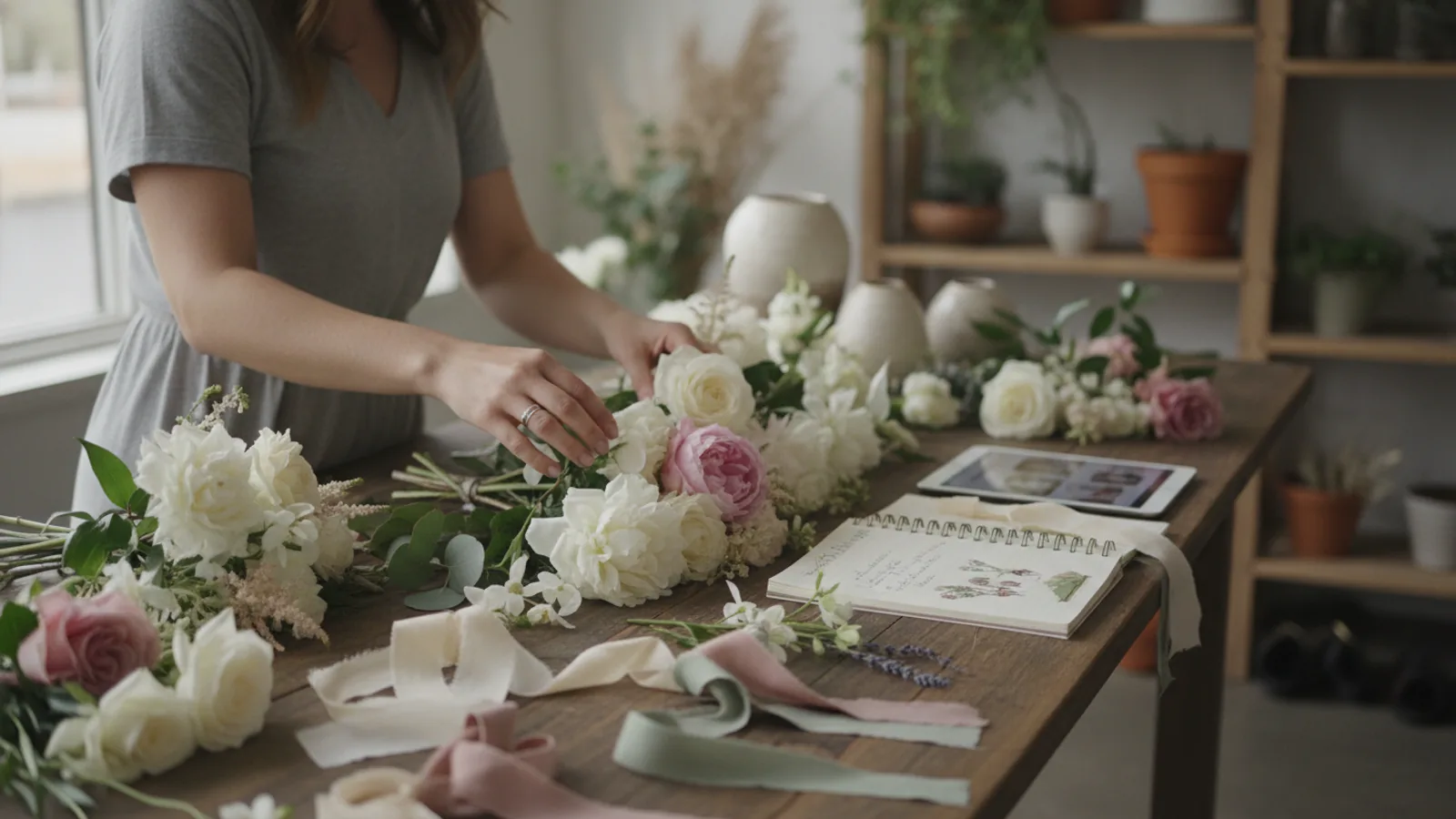
How To Transport Wedding Flowers
A practical step-by-step guide to how to transport wedding flowers, including preparation, instructions, common issues, tips, and next steps.

How To Transport Wedding Flowers
Transporting wedding flowers safely is crucial to ensure they look their best on the big day. This guide covers everything from proper hydration and protective packaging to secure loading and temperature control during transit. By following these practical steps, you can prevent damage, wilting, and spills, ensuring your beautiful blooms arrive fresh and flawless at your venue, whether you're collecting them from a florist or moving them from your home.
Fast Answer
- Key Consideration: Maintain hydration and prevent movement
- Best Conditions: Cool, dark, stable environment
- Essential Gear: Sturdy buckets, protective wraps, anti-slip mats
Before You Start
What You Need
- Sturdy buckets or vases: Clean and filled with fresh water for stemmed flowers.
- Floral foam (optional): For arrangements that need secure placement without individual stems in water.
- Cardboard boxes: Strong and correctly sized for bouquets, corsages, and delicate items.
- Newspaper or tissue paper: For gentle cushioning and protecting delicate petals.
- Plastic sheeting or old towels: To protect your vehicle from water spills.
- Anti-slip mats or rubber shelf liners: To prevent containers from sliding.
- Blankets or large towels: For extra cushioning and insulation against temperature changes.
- Bungee cords, rope, or cargo nets: To secure larger items.
- Cool bags or insulated boxes: For very delicate items like buttonholes or flower crowns, especially in warm weather.
- Spray bottle with water: To mist flowers for added hydration, if needed.
- A reliable vehicle: With enough space, good air conditioning, and a flat loading area.
Safety, Timing, or Context Checks
- Vehicle space: Measure your vehicle's boot and back seats to confirm everything will fit without being squashed. Remember, flowers take up more space than you think!
- Weather forecast: Check the temperature and humidity for your transport day. This will help you plan for cooling or warming the vehicle and protecting flowers from direct sun or frost.
- Route planning: Plan your journey, choosing routes with smoother roads and fewer speed bumps where possible.
- Communication: Coordinate pick-up and drop-off times with your florist and venue to minimise the time flowers spend in transit.
- Helper: Consider asking a responsible friend or family member to help, especially for larger or more delicate deliveries. An extra pair of hands can be invaluable.
Step-by-Step Instructions
1. Hydrate and Prepare Your Flowers
Before any journey, ensuring your flowers are well-hydrated is paramount. For fresh-cut stems, make sure they have been in water for at least a few hours, ideally overnight. If you're picking up from a florist, they will usually have done this. For loose flowers, gently mist them with water from a spray bottle. For bouquets, buttonholes, and corsages, the florist will often provide them with a water source, such as a floral foam handle or a small vial of water. Keep these intact until immediately before display or use.
2. Choose and Prepare Your Containers
The right container is key to successful transport. For stemmed flowers like bouquets and loose stems, use sturdy plastic buckets or strong vases filled with about 10-15 cm (4-6 inches) of fresh water. Make sure the water level is high enough to cover the stem ends but not so high that it sloshes out. For delicate items like buttonholes, corsages, and flower crowns, use shallow, wide cardboard boxes. Line these boxes with a gentle material like tissue paper or soft newspaper to cushion the items and prevent them from shifting.
For larger arrangements that cannot be placed in water, such as those made with floral foam, ensure the foam is thoroughly saturated. Place these arrangements in sturdy boxes that fit snugly, providing support on all sides. You can line the bottom of the boxes with plastic sheeting to catch any drips.
3. Secure Bouquets and Arrangements
Preventing movement is critical to avoid damage. For bouquets placed in buckets, you can use newspaper or tissue paper wadded around the base of the stems to keep them upright and stable within the bucket. For multiple buckets in your vehicle, place anti-slip mats underneath them and wedge them securely with other items, blankets, or even bungee cords across the back seat or boot to prevent tipping.
Large arrangements in boxes should also have anti-slip mats beneath them. You might use blankets or towels stuffed around the sides of the box to prevent it from sliding. If transporting multiple boxed items, stack them only if the boxes are rigid enough to not crush the flowers below, and ensure the top box isn't too heavy.
4. Load Your Vehicle Carefully
When loading, start with the largest and most stable items first. Place buckets of flowers upright on a flat surface, ideally on anti-slip mats. Ensure there's ample space between items to allow for air circulation and to prevent anything from being crushed. Delicate items like corsages, buttonholes, and flower crowns should be placed last, in easy-to-reach spots, ideally on the back seat where they are less likely to shift.
Never stack items directly on top of flowers. If you must transport other wedding day essentials, make sure they are completely separate and secured away from the floral cargo. If your vehicle has seats that fold down, this can create a larger, flatter loading area, but always protect the upholstery with plastic sheeting or old towels first.
5. Maintain Ideal Conditions During Transit
Temperature control is vital. Keep your vehicle's air conditioning on a moderate setting (around 10-18°C or 50-65°F is often ideal for most flowers), ensuring cool air circulates but doesn't blow directly onto delicate petals. Avoid placing flowers in direct sunlight, even for a short time; use sunshades or blankets if needed. During colder months, ensure the car heater isn't blowing hot air directly onto the flowers, as this can cause wilting.
Drive gently! Avoid sudden acceleration, sharp turns, or abrupt braking. Treat your precious cargo like a fragile passenger. Take corners slowly and anticipate stops. If you hit a bump or pothole, you risk jostling the flowers, causing stems to break or petals to bruise.
6. Unload and Set Up Upon Arrival
Once you arrive at the venue, unload the flowers as quickly and carefully as possible. Have a plan for where they need to go immediately. Place stemmed flowers back into fresh water as soon as they are inside. Find a cool, shaded spot away from direct sunlight, drafts, or heat sources. This "holding area" could be a cool room, a shaded hallway, or a back-of-house area provided by the venue.
For bouquets, remove any protective wrapping only when they are ready to be carried or displayed. Give them a final misting if they look a little thirsty. Allow arrangements to settle for a short while before making any final adjustments. This gives them time to recover from the journey.
Quick Reference
| Situation | Use this | Why |
|---|---|---|
| Bridal bouquet & bridesmaids' bouquets | Sturdy vase with water, secured upright in a box. | Keeps stems hydrated and protects delicate blooms from crushing. |
| Buttonholes & corsages | Shallow, lidded cardboard box lined with tissue paper. | Protects from bruising and keeps them cool and secure. |
| Large centrepieces in floral foam | Snug-fitting cardboard box, anti-slip mat, secured with blankets. | Prevents tipping and cushions against bumps, maintaining design integrity. |
| Loose stems for DIY arrangements | Clean buckets with fresh water, stems loosely packed to avoid crushing. | Ensures maximum hydration and prevents damage to individual blooms. |
| Hot weather transport | Pre-cool vehicle, use insulated bags for small items, cover with light blanket. | Protects against wilting and excessive heat stress. |
| Cold weather transport | Insulate with blankets, avoid direct heater vents, keep journey short. | Guards against frost damage and chilling, which can cause browning. |
Common Problems When You Transport Wedding Flowers
Even with the best planning, sometimes things don't go perfectly. Here are some common issues you might encounter when transporting wedding flowers and practical solutions:
- Wilting Flowers: This is often due to dehydration or excessive heat.
- Fix: As soon as possible, recut the stems underwater (if safe to do so for arrangements) and place them in fresh, cool water with flower food. For bouquets, try placing the entire head into a basin of cool water for 20-30 minutes if the design allows. Misting can help, but full hydration through the stems is best.
- Broken or Bent Stems: Usually caused by inadequate securing or rough driving.
- Fix: For minor bends, you might be able to gently straighten them. For broken stems, you may need to trim the flower shorter and incorporate it into a smaller arrangement, or use floral tape and a wire support if the break is clean and at the base. Always have a small floral emergency kit (tape, snips, spare wire) on hand.
- Bruised or Damaged Petals: Often from being crushed against other items or surfaces.
- Fix: Gently remove any heavily bruised outer petals. If it's a prominent bloom, you might need to carefully reposition surrounding flowers to hide the damage. Prevention through proper cushioning is key here.
- Water Spills in the Vehicle: Happens when buckets aren't secured or are too full.
- Fix: Clean up spills immediately to prevent damage to your car interior. Always use plastic sheeting or old towels under buckets to protect upholstery. If there's a spill, don't panic – focus on getting the flowers safely to the venue first, then deal with the clean-up.
- Flowers Falling Out of Arrangements: Can occur if arrangements aren't stable or if flowers weren't properly secured by the florist.
- Fix: If a flower falls out, you may be able to reinsert it into the floral foam or bind it back into a bouquet with floral tape if you have a repair kit. If many flowers are loose, it might be a bigger issue, requiring a quick chat with your florist or a skilled helper for repair.
Advanced Tips for How To Transport Wedding Flowers
For those looking to go the extra mile or dealing with particularly elaborate floral displays, these advanced tips can make a significant difference:
- Pre-Cool Your Vehicle: Before loading, run your vehicle's air conditioning for at least 15-20 minutes to bring the interior temperature down. This creates a stable, cool environment from the start and reduces the risk of thermal shock to the flowers.
- Professional Floral Boxes: Consider investing in or asking your florist about professional floral transport boxes. These often have specific inserts or structures designed to hold bouquets, buttonholes, or arrangements securely and upright, reducing movement.
- Dedicated "Flower Runner": For very large or multi-location weddings, assign a specific person (or hire a professional) whose sole responsibility is the safe transport and initial setup of the flowers. This person can focus entirely on temperature, stability, and timing.
- Emergency Repair Kit: Assemble a small kit with floral tape, floral wire (thin gauge), sharp snips, a spray bottle of water, a few spare flower vials, and a roll of tissue paper. This allows for immediate, minor repairs if anything shifts or gets damaged en route.
- Strategic Loading Order: Plan not just how items fit, but in what order they'll be needed at the venue. Place items that are needed first (e.g., bouquets for the bridal party's "getting ready" photos) in easily accessible spots.
- Utilise Flat Surfaces: If transporting many items, consider removing car seats (if possible and safe to do so) or using a van with a completely flat loading bed for maximum stability.
- Monitor Climate with a Thermometer: For long journeys, a small, inexpensive car thermometer can help you monitor the exact temperature in the cargo area, allowing you to adjust your vehicle's climate control precisely.
How To Transport Wedding Flowers FAQ
How far in advance can I transport wedding flowers?
Ideally, transport wedding flowers as close to the event as possible. Most flowers will hold well for 2-4 hours in a properly prepared vehicle. If you need to transport them the day before, ensure they are immediately placed in fresh water in a cool, dark room at the venue and checked regularly.
What is the ideal temperature for transporting wedding flowers?
A cool, consistent temperature is best, typically between 10-18°C (50-65°F). Avoid extreme heat or cold, and never let air conditioning or heater vents blow directly onto the flowers.
Can I use my own car to transport all wedding flowers?
Yes, for most small to medium-sized weddings, your own car can be sufficient. However, you must ensure it's clean, has ample flat space, good air conditioning, and you've taken all precautions for securing the flowers. For very large or elaborate arrangements, a larger vehicle like a van or a professional floral delivery service might be more appropriate.
How do I transport large floral arrangements or arches?
Large arrangements, such as floral arches or large urn displays, often require a van or SUV. They should be placed on a flat surface, secured with bungee cords or straps, and cushioned with blankets. Some arches may even need to be transported in sections and assembled at the venue. Always consult your florist for specific advice on these larger items.
What's the best way to transport very delicate flowers like peonies or sweet peas?
Delicate flowers require extra care. Ensure they are well-hydrated. For individual stems, wrap the blooms gently in tissue paper or a light fabric before placing them in water-filled buckets. For arrangements containing them, ensure ample cushioning in the transport box and avoid any pressure on the petals. Drive extra slowly and carefully.
Should I cover the flowers during transport?
Lightly covering flowers with a breathable fabric like a thin sheet or light blanket can protect them from direct sunlight, drafts, and minor dust during transit. However, avoid heavy or airtight covers that could trap heat or moisture, which might damage the flowers.
Final Checklist for How To Transport Wedding Flowers
- ✓ Flowers are well-hydrated.
- ✓ Sturdy, clean buckets/vases with fresh water prepared.
- ✓ Correctly sized cardboard boxes and cushioning materials ready.
- ✓ Vehicle interior is clean, pre-cooled (if warm), and has flat, clear space.
- ✓ Anti-slip mats, blankets, and securing straps are on hand.
- ✓ Route planned, avoiding major bumps or rough roads.
- ✓ Loading order considered for accessibility and stability.
- ✓ All items are securely placed and cannot shift or tip.
- ✓ Vehicle climate control set to a moderate temperature (10-18°C).
- ✓ No direct sunlight or extreme airflow on flowers.
- ✓ Drive smoothly and carefully, avoiding sudden movements.
- ✓ Plan for immediate unloading and placement in a cool, shaded area at the venue.
- ✓ Emergency floral repair kit is easily accessible.