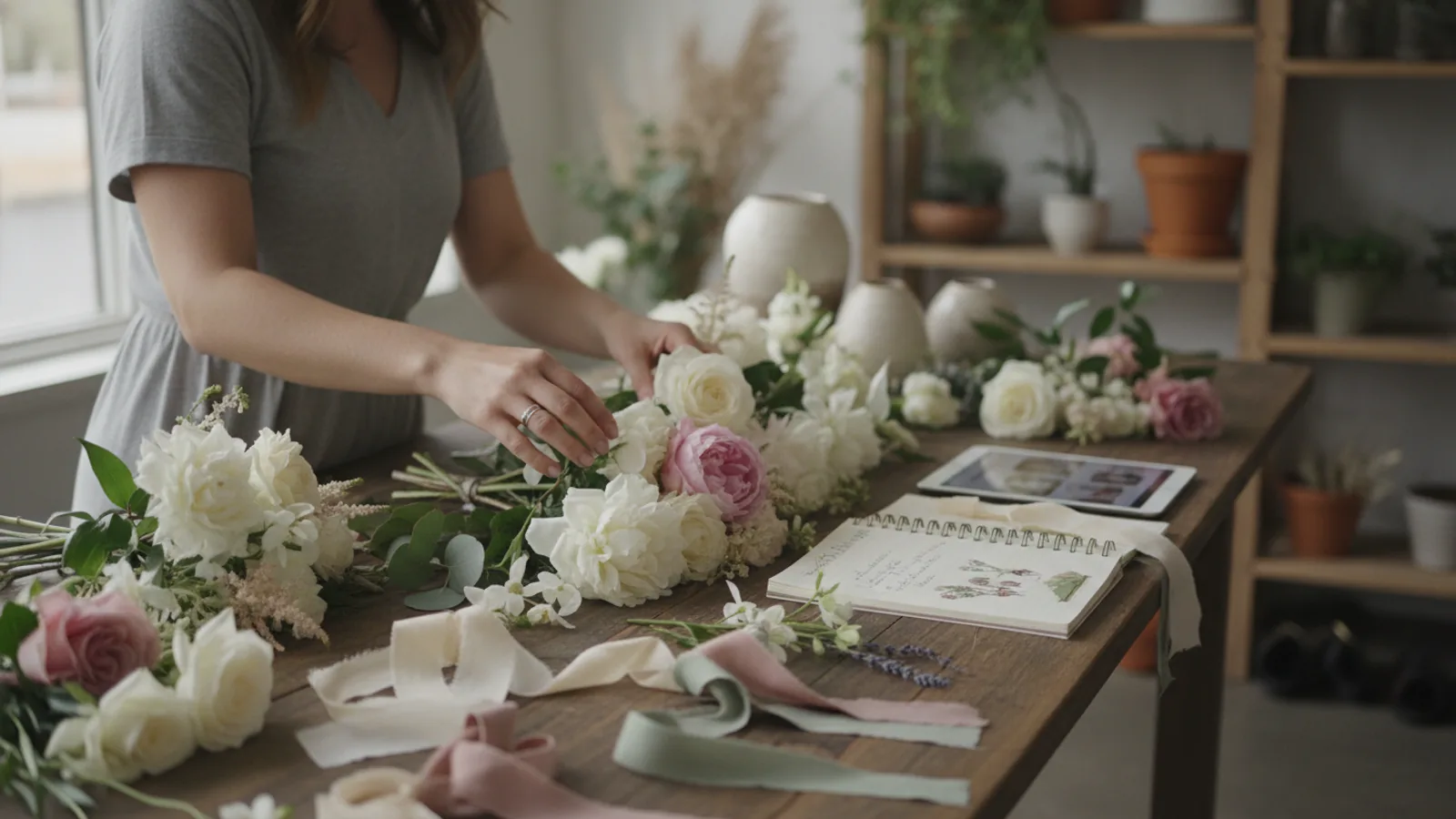
Seasonal Flowers Arrangement Ideas
A practical step-by-step guide to seasonal flowers arrangement ideas, including preparation, instructions, common issues, tips, and next steps.

Seasonal Flowers Arrangement Ideas
Crafting beautiful arrangements with seasonal flowers is a delightful way to bring nature's fleeting beauty indoors. This guide helps you choose the freshest blooms, prepare them properly, and arrange them with confidence, no matter the time of year. Whether you're brightening your home, preparing for a special occasion, or gifting a thoughtful creation, understanding seasonal options makes your arrangements more vibrant, sustainable, and truly special.
Fast Answer
- Best start: Choose fresh, locally available seasonal blooms.
- Key technique: Condition flowers properly before arranging.
- Secret to beauty: Build your arrangement with foliage first, then focal flowers.
Before You Start
- Fresh seasonal flowers: Select a variety of focal, filler, and foliage elements that are currently in bloom. Look for firm petals and strong stems.
- Clean vase or container: Choose one that suits the size and style of your intended arrangement. Make sure it's spotless.
- Sharp floral scissors or secateurs: Essential for clean cuts that help flowers drink water.
- Flower food: A sachet of flower food helps nourish your blooms and keeps water clean.
- Clean water: Fresh, cool water for your vase.
- Work surface: A clear, clean space where you can make a bit of a mess with leaves and stems.
- Waste bin: For all the removed leaves and stem ends.
Step-by-Step Instructions
1. Select Your Seasonal Blooms
The first step to a stunning arrangement is choosing the right flowers. Think about the current season in GB. For spring, consider daffodils, tulips, hyacinths, and cheerful ranunculus. Summer offers vibrant roses, sweet peas, delphiniums, and sunflowers. Autumn brings dahlias, chrysanthemums, berries, and ornamental grasses. Winter can feature hellebores, narcissus, amaryllis, and plenty of evergreen foliage.
Aim for a mix of types: focal flowers (the stars, like a large rose), filler flowers (smaller blooms that fill gaps, such as waxflower or limonium), and foliage (greens that provide structure and background, like eucalyptus or ruscus). Choose colours that complement each other or embrace a striking contrast.
2. Condition Your Flowers for Longevity
Proper conditioning is vital to help your flowers last longer. As soon as you bring them home, fill a clean bucket or sink with cool water and a sachet of flower food. Take each stem and, using your sharp floral scissors or secateurs, cut about 2-3 cm off the bottom of the stem at an angle while holding it under water if possible. This prevents air bubbles from entering the stem and blocking water uptake.
Next, remove any leaves that would fall below the waterline in your vase. Submerged leaves will rot, contaminating the water and shortening the life of your flowers. Place the conditioned stems directly into the cool water in your bucket and let them hydrate for at least 1-2 hours, or ideally overnight, in a cool, dark place away from direct sunlight and draughts.
3. Prepare Your Vase and Workspace
Choose a vase that is clean and appropriate for the size of your arrangement. A good rule of thumb is that the finished arrangement should be about 1.5 to 2 times the height of your vase. Fill your vase with fresh, cool water and add the recommended amount of flower food, dissolving it completely. Ensure your workspace is clear, clean, and you have all your tools within reach, including your secateurs, waste bin, and any decorative elements you plan to use.
4. Establish Your Foliage Base
Start by adding your foliage to the vase first. This creates a natural "grid" and provides a supportive structure for your flowers. Trim the foliage stems to various lengths, keeping in mind the overall shape you want to achieve. Place the taller pieces in the centre and shorter pieces around the edges, forming a dome or a triangular shape. Aim to create a lush, green foundation that peeks out from beneath your flowers and adds depth.
5. Introduce Your Focal Flowers
Now it's time to add your star blooms! Place your largest and most striking focal flowers next. Position them strategically to create a visual anchor. You might place one prominent focal flower slightly off-centre or arrange a cluster of them to draw the eye. Cut their stems to varying heights so they stand out but are still supported by the foliage and other stems. Turn your vase as you work to ensure the arrangement looks good from all angles.
6. Add Your Filler Flowers and Secondary Blooms
With your focal flowers in place, begin to fill in the gaps with your secondary and filler flowers. These blooms are usually smaller and less showy but are crucial for adding texture, softness, and filling out the arrangement. Distribute them evenly around your focal points, ensuring they complement rather than compete. Use them to bridge spaces between the foliage and focal flowers, creating a cohesive and full look. Again, cut stems to varying lengths to add interest.
7. Refine and Add Finishing Touches
Once all your flowers are in, take a moment to refine your creation. Gently adjust any stems that seem out of place. Look for any exposed mechanics (like floral tape or unattractive stem ends) and cover them with a final piece of foliage or a small filler flower. Ensure the arrangement feels balanced and visually pleasing from all sides. You might add a final touch like a delicate trailing vine or a few extra sprigs of dainty filler for a softer, more professional finish.
8. Ongoing Care for Your Seasonal Arrangement
To keep your beautiful seasonal arrangement looking its best for as long as possible, some daily care is needed. First, check the water level daily and top it up with fresh, cool water mixed with flower food. If the water becomes cloudy, it's time to change it completely. Carefully remove the flowers, rinse the vase thoroughly, recut the stem ends by about 1 cm, and refill with fresh water and food before returning the flowers.
Place your arrangement in a cool spot, away from direct sunlight, heat sources (like radiators), and ripening fruit, which releases ethylene gas that can accelerate wilting. Remove any faded blooms or leaves promptly to prevent rot and keep the arrangement looking tidy.
Quick Reference
| Situation | Use this | Why |
|---|---|---|
| Flowers wilting quickly | Recut stems, change water with flower food, re-condition. | Blocked stems or dirty water prevent hydration. |
| Arrangement looks flat or too dense | Vary stem heights, use different textures, create negative space. | Varying heights adds depth; space prevents crowding. |
| Vase water turns cloudy | Change water completely, clean vase, recut stems. | Bacteria growth harms flowers; fresh water prolongs life. |
| Can't keep stems in place in a wide vase | Use floral foam, chicken wire, or criss-cross tape grid. | Provides structure and support for stems, especially for beginners. |
| Want a more natural, garden look | Choose varied stem lengths, incorporate trailing elements, use foraged foliage. | Mimics natural growth patterns and adds organic charm. |
Common Problems When You Arrange Seasonal Flowers
Even with the best intentions, you might run into a few common snags when creating your seasonal flower arrangements. Knowing how to fix them can save your beautiful display.
Flowers Wilting Too Soon
This is perhaps the most frustrating problem. Often, it's due to poor conditioning. If flowers aren't properly hydrated from the start, they'll struggle. Make sure you're cutting stems cleanly and removing all submerged leaves. Another common culprit is dirty water or lack of flower food. Bacteria can quickly multiply in stagnant water, clogging stems. Always use fresh water with flower food, and change it every 1-2 days if it looks cloudy.
Arrangement Lacks Balance or Shape
If your arrangement feels lopsided or just doesn't look quite right, it might be an issue of balance. Step back and look at it from all angles. Are your focal flowers evenly distributed? Is there too much weight (too many large blooms or heavy foliage) on one side? The fix is usually to gently reposition stems, trim some down, or add a few more filler flowers to create harmony. Remember the 1.5 to 2 times vase height rule for overall proportion.
Flowers Falling Out of the Vase
If your stems are flopping or not staying upright, your vase might be too wide-mouthed for the number of flowers, or you haven't built a strong enough base. For wide vases, a solution is to create a grid over the opening with floral tape. You can also use crumpled chicken wire (floral netting) inside the vase or a floral frog to anchor stems firmly. For a more natural approach, ensure you build a dense foundation of sturdy foliage first to support the more delicate blooms.
Not Lasting as Long as Expected
Beyond conditioning and clean water, the environment plays a big role. Heat, direct sunlight, and ripening fruit are enemies of fresh flowers. Try to place your arrangement in a cool room, away from windows and any heat sources. Also, make sure to remove any spent or wilting flowers and leaves immediately, as they can release ethylene gas that speeds up the decline of healthy blooms.
Advanced Tips for Seasonal Flowers Arrangement Ideas
Once you're comfortable with the basics, you can start experimenting with more creative and sophisticated techniques to elevate your seasonal flower arrangements.
Embrace Asymmetry and Negative Space
Instead of always aiming for a perfectly symmetrical, dome-shaped arrangement, try an asymmetrical design. This can be more dynamic and interesting. Use "negative space" – deliberate empty areas – to highlight specific blooms or to give your arrangement a modern, airy feel. Play with height and depth, allowing some elements to reach out more dramatically.
Incorporate Unexpected Elements
Beyond traditional flowers and foliage, look for seasonal elements that add unique texture and character. This could include interesting seed pods, ornamental grasses, twigs, branches, or even small fruits and vegetables (like mini pumpkins or crab apples in autumn). These natural additions can truly make your arrangement unique and reflective of the season.
Layer Textures and Shades
Don't just think about colour; think about texture. Combine soft, velvety petals with spiky foliage, glossy leaves, and delicate wispy fillers. Use different shades of the same colour (e.g., light pink, medium pink, deep fuchsia) or complementary colours to create a rich, layered look that's visually captivating. This adds depth and makes the arrangement feel more luxurious.
Foraging with Care and Responsibility
Foraging for your own seasonal elements can add a truly personal and local touch. This could include wild grasses, interesting branches, berries (ensure they're non-toxic if pets or children are present), or even charming wildflowers. Always forage responsibly: only take what you need, never from protected areas, and leave plenty for nature. Be mindful of identification to avoid anything harmful.
Consider the Container Beyond the Vase
Break free from traditional glass vases. Explore vintage teapots, rustic wooden boxes (lined with plastic for water), ceramic bowls, old watering cans, or even hollowed-out gourds for a unique seasonal touch. The container itself can become an integral part of the arrangement's aesthetic, enhancing the overall theme and adding personality.
Seasonal Flowers Arrangement Ideas FAQ
Here are some frequently asked questions to help you further master seasonal flower arranging.
What are the best flowers for a spring arrangement in GB?
For spring in GB, look for daffodils, tulips, hyacinths, ranunculus, muscari, narcissus, and delicate hellebores. You can also find beautiful blossom branches like cherry or quince.
How do I make my arrangements look more professional?
To achieve a professional look, focus on proper conditioning, creating a strong foliage base, varying stem heights for depth, and distributing focal flowers evenly. Pay attention to balance and ensure no mechanics (like tape or foam) are visible. A cohesive colour palette or thoughtful contrasting colours also helps.
Can I mix different seasonal flowers in one arrangement?
Absolutely! Mixing flowers from different parts of the same season (e.g., late spring and early summer) can create a rich and interesting arrangement. However, avoid mixing flowers from vastly different seasons if you're aiming for a natural, authentic seasonal feel, as they won't typically grow together.
How do I revive slightly wilted flowers?
For slightly wilted flowers, try giving them a "power drink." Recut the stems under water (about 2-3 cm) and immediately plunge the entire flower (stem and head) into a tub of cool water for about 30 minutes to an hour. This can help many flowers perk up by rehydrating quickly.
Is it okay to use store-bought flower food or can I make my own?
Store-bought flower food is highly recommended as it contains the precise balance of nutrients, a mild acidifier to help water uptake, and an antibacterial agent. While homemade remedies exist (like sugar, vinegar, and bleach), they are often less effective and can sometimes harm your flowers if the proportions are wrong. Stick with the professional stuff for best results.
Final Checklist for Seasonal Flowers Arrangement Ideas
- Selected fresh, healthy seasonal blooms: Have you chosen a variety of focal, filler, and foliage?
- Flowers properly conditioned: Stems cut at an angle, all submerged leaves removed, and hydrated for at least an hour?
- Clean vase prepared: Filled with fresh water and appropriate amount of flower food?
- Workspace tidy and tools ready: Secateurs, waste bin, and any accessories at hand?
- Foliage base established: Is there a supportive green structure for your flowers? Focal flowers placed thoughtfully: Are your main blooms positioned to draw the eye and create balance?
- Filler and secondary flowers added: Have you filled gaps and added texture without overcrowding?
- Arrangement refined and balanced: Does it look good from all angles, with no exposed mechanics?
- Ongoing care plan in place: Will you check water daily, top up or change as needed, and keep it in a cool spot?
- Removed any faded blooms or leaves: Are you promptly disposing of spent elements to maintain freshness?