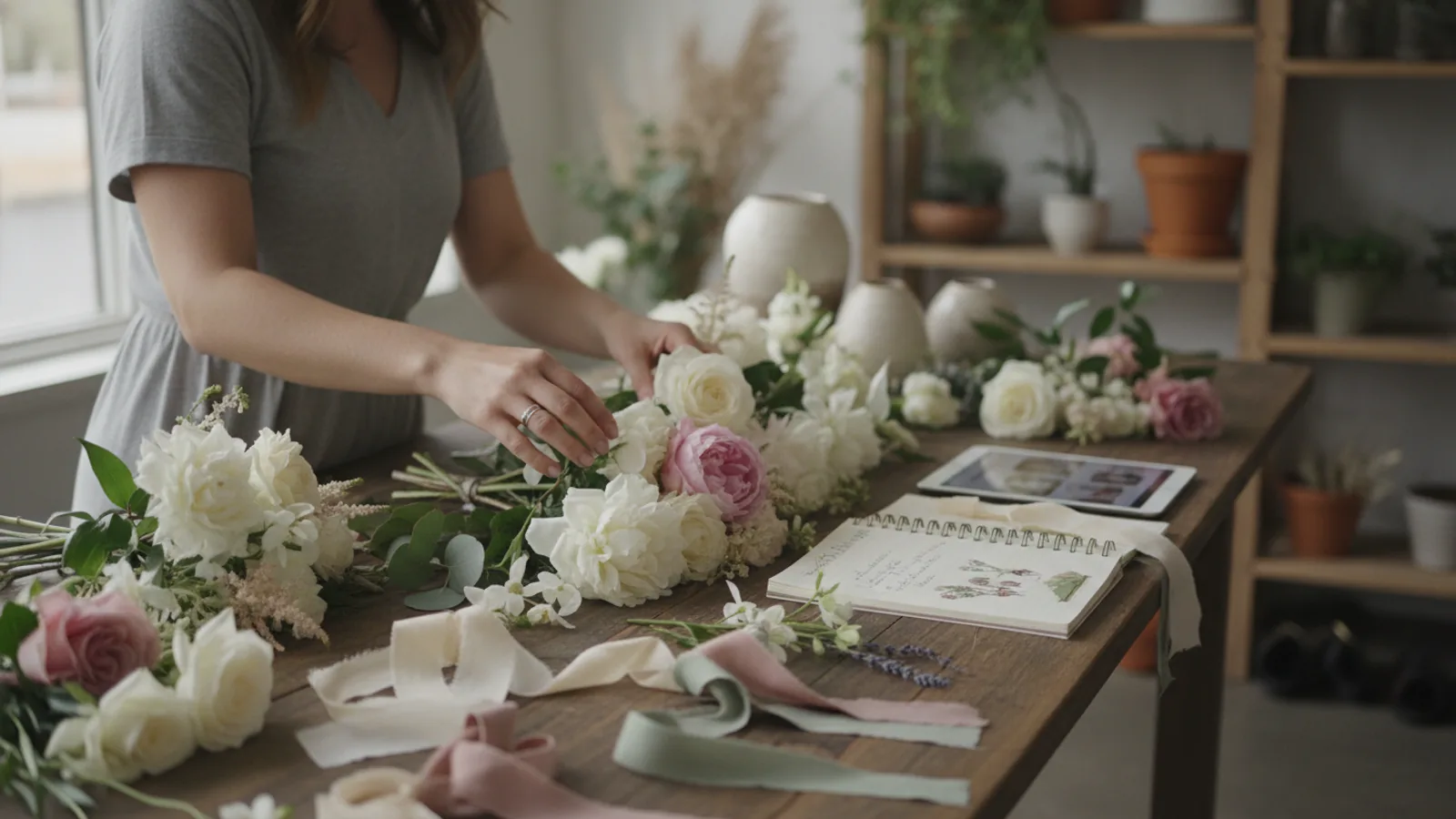
Seasonal Flowers Care Guide
A practical step-by-step guide to seasonal flowers care guide, including preparation, instructions, common issues, tips, and next steps.

Seasonal Flowers Care Guide
Keeping your seasonal flowers fresh and vibrant for longer is simpler than you might think, and this guide will show you exactly how. From the moment your beautiful bouquet arrives to its last bloom, we'll cover essential steps like proper trimming, water changes, and smart placement. This guide helps anyone looking to extend the joy of their seasonal floral gifts, ensuring they brighten your home or event for as long as possible with minimal fuss.
Fast Answer
- Immediate action: Trim stems at a 45-degree angle under water
- Water: Fresh, lukewarm water daily or every other day
- Food: Use flower food provided, or a DIY alternative
- Placement: Cool spot, away from direct sunlight and fruit
- Maintenance: Remove faded blooms and leaves below water line
Before You Start
- Sharp floral snips or a clean, sharp knife: For precise stem cuts.
- Clean vase: Choose a size appropriate for your bouquet.
- Lukewarm water: Fresh and ready for your flowers.
- Flower food sachet: Usually provided with your bouquet.
- Work surface: A clear, clean area, ideally near a sink.
- Bin or compost caddy: For discarded leaves and stems.
Step-by-Step Instructions
Prepare Your Workspace and Tools
Before you even unwrap your beautiful seasonal flowers, take a moment to set up. Clear a clean, flat surface where you can comfortably work. Gather your sharp floral snips or a sharp knife, your chosen vase, and the flower food sachet. Having everything within reach will make the process smooth and quick, reducing the time your flowers are out of water. This preparation is key to starting your seasonal flowers care guide journey effectively.
Ensure your chosen vase is spotlessly clean. Any lingering bacteria from old flowers can quickly turn fresh water into a breeding ground for harmful microbes, which can block the stems of your new blooms and prevent them from drinking water properly. A quick wash with warm soapy water and a good rinse will do the trick.
Unpack and Remove Packaging Carefully
Gently unwrap your seasonal flowers, being mindful not to damage any delicate blooms or foliage. Most bouquets come with protective wrapping, and sometimes a water source around the stems. Carefully remove all packaging, including any rubber bands or ties that might be holding the stems together. Take your time during this step to prevent accidental damage, especially to softer petals or leaves.
As you unwrap, quickly inspect the flowers. Look for any bruised or damaged petals or leaves that might have occurred during transit. Removing these now will not only make your bouquet look better but also prevent potential rot spreading to healthy parts of the plant. This initial inspection is an important part of your seasonal flowers care guide.
Trim Stems Under Water at a 45-Degree Angle
This is arguably the most crucial step in seasonal flowers care. Fill a basin or sink with a few inches of lukewarm water. Working one stem at a time, hold the stem under the water and use your sharp snips or knife to cut about 2-3 cm (1 inch) off the bottom of each stem at a 45-degree angle. Cutting under water prevents air bubbles from entering the stem's vascular system, which can block water absorption. The angled cut creates a larger surface area for drinking and prevents the stem from sitting flat on the bottom of the vase.
Immediately after cutting, place the stem into your prepared vase of water. Repeat this process for every stem in your bouquet. This fresh cut opens up the water-absorbing cells, allowing your flowers to drink properly and stay hydrated.
Remove Submerged Foliage and Spent Blooms
Before placing your flowers in the vase, remove any leaves that would fall below the water line. Leaves submerged in water will rot quickly, creating a breeding ground for bacteria that contaminate the water and shorten the life of your flowers. Use your fingers or snips to gently pull or cut these leaves away from the stems. This also helps the flowers focus their energy on the blooms rather than supporting unnecessary foliage.
Additionally, if any individual blooms appear completely spent or heavily damaged, carefully snip them off. This practice, known as 'deadheading,' encourages the plant to direct energy towards remaining blooms or even to produce new ones, extending the overall beauty of your bouquet. Regularly removing dead or fading elements is a key component of effective seasonal flowers care guide.
Prepare and Fill the Vase with Flower Food
Fill your clean vase with fresh, lukewarm water. Lukewarm water is preferred because it moves up the stems more easily than cold water. Add the provided flower food sachet to the water according to the package instructions. Flower food contains three main ingredients: a sugar (to nourish the flowers), an acidifier (to lower the water pH and help water uptake), and a biocide (to kill bacteria).
Stir the water gently to ensure the flower food dissolves completely. If you don't have flower food, you can create a simple homemade solution: combine 1 teaspoon sugar, 1 teaspoon bleach (not concentrated), and 2 tablespoons lemon or lime juice per litre of water. The sugar feeds, the bleach kills bacteria, and the citrus juice acts as an acidifier. However, commercial flower food is always best.
Arrange Your Seasonal Flowers Thoughtfully
Once all stems are cut and foliage removed, it's time to arrange your flowers in the prepared vase. Start by placing the larger, sturdier stems first, creating a base. Then, fill in with smaller or more delicate blooms. Turn the vase as you arrange to ensure an even distribution of flowers and a pleasing look from all angles. Don't overcrowd the vase; each stem needs space to breathe and drink water effectively. If your bouquet is very full, consider splitting it into two smaller arrangements for optimal display and health.
Think about the natural flow and height of each flower. Some might be taller and provide a focal point, while others can be used to fill gaps. Step back occasionally to admire your work and make adjustments. The goal is a beautiful display that allows each flower to shine, a rewarding part of seasonal flowers care.
Choose the Best Location for Your Bouquet
The placement of your vase plays a significant role in how long your seasonal flowers last. Choose a cool spot in your home, away from direct sunlight, heat sources (like radiators, fireplaces, or electronics), and draughts. These elements can cause flowers to dehydrate rapidly and wilt faster. A stable, moderate temperature is ideal for extending their freshness.
Crucially, keep your flowers away from ripening fruit. Fruits like apples and bananas release ethylene gas, a natural plant hormone that accelerates the ripening and ageing process of flowers, causing them to fade much quicker. A kitchen counter next to a fruit bowl is often a beautiful but detrimental spot for a fresh bouquet. Finding the right spot is a vital element of this seasonal flowers care guide.
Maintain Water Levels and Refresh Daily
This is a daily commitment for lasting freshness. Check the water level in your vase every day. Flowers are thirsty, and they will drink a surprising amount of water. Top up the water as needed, and ideally, change the entire water supply every one to two days. When changing the water, carefully lift the bouquet out, pour out the old water, and rinse the vase thoroughly to remove any bacterial film.
Refill the vase with fresh lukewarm water and a new sachet of flower food (or your homemade solution). This frequent refreshment of water and nutrients is essential to prevent bacterial buildup and ensure your flowers continue to receive vital hydration and nourishment. Skipping this step is one of the quickest ways to shorten your bouquet's life.
Re-trim Stems and Deadhead Regularly
As part of your ongoing seasonal flowers care, re-trim the stems every two to three days. Just like the initial trim, make a fresh cut at a 45-degree angle, ideally under water if convenient, or very quickly after removing from water, and immediately return to fresh water. This removes any blockages that may have formed at the stem ends and allows the flowers to continue drinking efficiently.
Continue to deadhead any wilting or faded blooms as they appear. Also, remove any leaves that start to turn yellow or show signs of decay. This not only keeps the bouquet looking pristine but also directs the plant's energy to the healthier, still-blooming flowers. Regular maintenance is the secret to getting the longest life out of your beautiful seasonal display.
Quick Reference
| Situation | Use this | Why |
|---|---|---|
| New bouquet arrival | Trim stems under water (45°) | Prevents air bubbles, maximises water uptake. |
| Leaves below water line | Remove them immediately | Prevents bacterial growth and water contamination. |
| Cloudy vase water | Change water, clean vase, re-trim stems | Indicates bacteria; fresh water and food are essential. |
| Flowers wilting quickly | Check placement: move from heat/sun/fruit | Heat/ethylene gas accelerates dehydration and decay. |
| Stems feel slimy | Re-trim stems, change water, clean vase thoroughly | Sign of heavy bacterial build-up blocking water absorption. |
| Some blooms faded | Deadhead (remove) spent blooms | Redirects energy to healthier flowers, improves appearance. |
Common Problems When You Care for Seasonal Flowers
Even with the best intentions, you might run into a few common issues when looking after your seasonal flowers. Knowing what to look for and how to fix it can save your beautiful display.
Rapid Wilting After Initial Setup
If your flowers wilt quickly, even after you've followed the initial setup steps, it's often due to air bubbles in the stems or a lack of water uptake. Re-trim the stems again, making sure to do it under water this time. Sometimes, the initial cut might not have been effective, or the flowers were out of water for too long before the first trim. Ensure the vase has plenty of fresh water and flower food.
Cloudy or Murky Water
Cloudy water is a strong indicator of bacterial growth, which is the nemesis of fresh flowers. Bacteria feed on decaying organic matter (like submerged leaves) and clog the delicate tubes in the stems that transport water. To fix this, immediately remove the flowers, thoroughly wash your vase with warm soapy water and rinse well. Give the flower stems another fresh, angled cut, and refill the vase with clean, lukewarm water and new flower food. Make a habit of changing the water every day or two to prevent this.
Flowers Not Opening (Tight Buds)
Some flowers, especially certain roses or lilies, might arrive as very tight buds. If they don't seem to be opening, ensure they are in a consistently warm but not hot environment (around room temperature is usually fine, avoid cold drafts). You can also try adding a little more flower food, as the sugar component helps to energise the blooms. For some varieties, gently misting the petals with water can encourage them to unfurl.
Dropping Leaves or Petals Prematurely
Premature leaf or petal drop can be a sign of stress. This stress might be caused by inconsistent watering, exposure to direct sunlight, draughts, or proximity to ripening fruit (ethylene gas). Review your flower's placement and ensure it's in a stable, cool environment away from any stressors. Also, ensure all submerged leaves have been removed, as their decay can accelerate the overall decline of the bouquet.
Unpleasant Odour from the Vase
An unpleasant smell coming from your vase is almost always a sign of significant bacterial growth. This usually happens when the water hasn't been changed frequently enough, or too many leaves have been left submerged. The solution is the same as for cloudy water: completely refresh the water, thoroughly clean the vase, and give the stems a fresh cut. Consider checking for any overlooked leaves or decaying debris at the bottom of the vase.
Advanced Tips for Seasonal Flowers Care Guide
Once you've mastered the basics, these advanced tips can help you push the boundaries of flower longevity and truly elevate your seasonal flowers care.
Harden Your Flowers for Longer Life
This technique is particularly useful if your flowers seem a bit droopy on arrival. After trimming stems, place your entire bouquet (stems submerged) in a cool, dark room for 2-4 hours. This allows the flowers to have a deep drink without the added stress of light and warmth, helping them to rehydrate fully before display. It's like giving them a spa treatment after their journey!
Use a Bleach Solution for Extra Cleanliness
While flower food often contains a biocide, for stubborn bacterial issues or if you're not using commercial flower food, a tiny amount of household bleach can be a powerful ally. Add just 1/4 teaspoon of non-concentrated bleach per litre of water when you change the vase water. This small amount is effective at inhibiting bacterial growth without harming the flowers. Be careful not to use too much, as higher concentrations can be detrimental.
Consider Different Vase Types for Different Blooms
Not all vases are created equal. For long-stemmed flowers like gladioli or delphiniums, a tall, narrow vase offers support and prevents them from flopping over. For a fuller, rounder bouquet of seasonal mixed flowers, a wide-mouthed, cylindrical or trumpet-shaped vase allows for a natural, sprawling arrangement. The right vase not only enhances the aesthetic but also helps the flowers stand upright, ensuring optimal water flow through their stems. Ensure the vase neck isn't too tight, which can crush stems.
Misting Delicate Blooms
Some delicate flowers, especially those with thin petals like peonies or hydrangeas, benefit from a light misting of clean water a couple of times a day. This helps to hydrate the petals directly and can prevent them from drying out in low humidity environments. Ensure the water is clean and fresh to avoid leaving mineral deposits on the petals.
Reviving Wilting Flowers
If some of your flowers start to wilt prematurely, you might be able to revive them. Re-trim the stems and fully submerge the entire flower (head and stem) in a bath of cool water for 30 minutes to an hour. This "shock treatment" can often rehydrate the entire plant. This works especially well for hydrangeas, which are notorious for wilting.
Rotating Your Bouquet
If your bouquet is in a spot with uneven light, gently rotate it every day. This ensures all sides of the arrangement receive some light, promoting even opening of buds and preventing some flowers from stretching excessively towards a light source while others remain in shadow. This subtle step contributes to a more uniform and attractive display over time.
Seasonal Flowers Care Guide FAQ
How often should I change the water for my seasonal flowers?
Ideally, you should change the water every day or every other day. This prevents bacterial buildup and ensures your flowers always have access to fresh, clean water and nutrients.
Can I use regular tap water for my flowers?
Yes, regular tap water is generally fine. However, ensuring it's lukewarm helps with absorption, and adding flower food (or a homemade alternative) will provide the necessary nutrients and keep bacteria at bay.
What if I don't have flower food?
You can create a simple homemade solution: mix 1 teaspoon of sugar (for food), 1 teaspoon of bleach (to kill bacteria), and 2 tablespoons of lemon or lime juice (to acidify the water) per litre of water. While effective, commercial flower food is usually formulated for best results.
Why do I need to trim stems at an angle?
Cutting stems at a 45-degree angle creates a larger surface area for water absorption. It also prevents the stem from sitting flush against the bottom of the vase, which could block water uptake. Trimming under water prevents air bubbles from entering the stem's vascular system, which can cause blockages.
How can I make my flowers last even longer?
Beyond the regular care, ensuring optimal placement (cool spot, away from fruit, sun, and heat), re-trimming stems every few days, and diligently removing spent blooms and submerged leaves are key. Hardening your flowers upon arrival can also significantly extend their life.
Is it okay to put flowers in the fridge overnight?
For some very delicate or professional cut flowers, a cool, humid environment like a floral fridge is ideal. However, a regular home fridge can sometimes be too dry or contain too much ethylene gas from food, which might harm your flowers. Generally, a cool room is sufficient for home care unless you have a dedicated floral cooler.
My flowers are wilting, can I revive them?
Often, yes! Re-trim the stems under water and fully submerge the entire flower (head and stem) in a basin of cool water for 30 minutes to an hour. This "shock treatment" can rehydrate them. This works particularly well for thirsty blooms like hydrangeas.
Final Checklist for Seasonal Flowers Care Guide
Use this checklist to ensure you've covered all the essential steps for keeping your seasonal flowers looking their best.
- Tools ready: Sharp snips or knife, clean vase, flower food.
- Stems trimmed: Each stem cut at a 45-degree angle under water.
- Foliage removed: All leaves below the water line are gone.
- Vase clean: Spotless vase, filled with fresh, lukewarm water and flower food.
- Optimal placement: Bouquet in a cool spot, away from direct sunlight, heat, and fruit.
- Water changed regularly: Fresh water and flower food every 1-2 days.
- Stems re-trimmed: Stems re-cut every 2-3 days.
- Deadheaded: Faded blooms and yellowing leaves removed as needed.
- Vase cleaned periodically: Thorough wash of the vase with each water change.
- Monitoring for issues: Regularly checking for signs of wilting, cloudy water, or decay.
By following this comprehensive seasonal flowers care guide, you're not just maintaining a display; you're nurturing natural beauty, ensuring your seasonal flowers bring joy and vibrancy to your space for as long as possible. Enjoy the ephemeral beauty of each bloom, knowing you've given it the best chance to thrive.