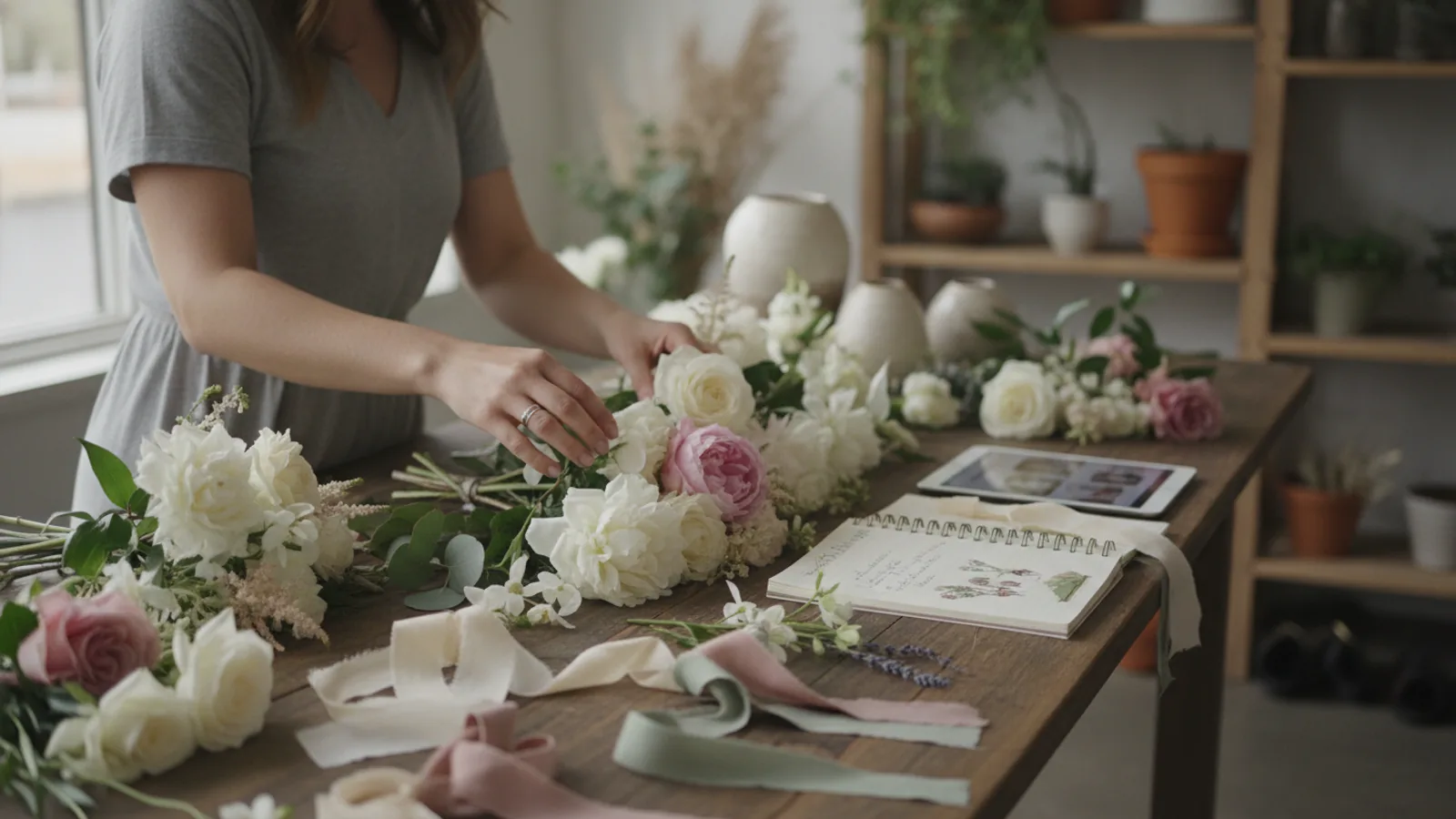
Seasonal Flowers Seasonal Guide
A practical step-by-step guide to seasonal flowers seasonal guide, including preparation, instructions, common issues, tips, and next steps.

Seasonal Flowers Seasonal Guide
Discovering and choosing seasonal flowers helps you enjoy the freshest, most beautiful blooms while often saving money and supporting local growers. This guide will walk you through understanding what flowers are available in each season, how to plan your floral needs for events or home decor, and where to find these natural treasures. It's perfect if you're planning a wedding, looking for a thoughtful gift, or simply want to brighten your home with flowers that feel truly special and appropriate for the time of year.
Fast Answer
- Best Time to Buy: In-season
- Key Benefit: Freshness, value, sustainability
- Main Tool: Seasonal awareness & local research
Before You Start
- An understanding of the four main seasons in the UK (Spring, Summer, Autumn, Winter) and their approximate months.
- Access to the internet or local flower shops for researching specific bloom availability.
- A general idea of when you need flowers (e.g., for an event date, a gift, or regular home styling).
- An open mind to explore different flower varieties that might be new to you.
Step-by-Step Instructions
1. Understand What "Seasonal Flowers" Really Means
Before diving into specific blooms, it's important to grasp the concept of "seasonal flowers." These are flowers that naturally grow and bloom outdoors during a particular time of year in a given climate. In the UK, this means varieties that thrive during our spring, summer, autumn, or winter months without excessive heat, artificial light, or energy-intensive greenhouses. Buying seasonal often means supporting British growers, reducing carbon footprints, and getting flowers at their peak of freshness and beauty.
While many flowers are available year-round due to global cultivation and imports, choosing truly seasonal options means embracing variety and freshness. It connects you to nature's rhythm and often provides better value because the flowers are abundant.
2. Identify the Key Seasons and Their General Months in the UK
To choose seasonal flowers effectively, you first need to know what months fall into which season in the UK. This isn't always rigid, as weather patterns can shift, but these are good general guidelines:
- Spring: March, April, May (often extends into early June). This is a season of new growth, delicate blooms, and vibrant colours.
- Summer: June, July, August (sometimes late May through early September). The peak of abundance, with lush, full flowers and strong fragrances.
- Autumn (Fall): September, October, November. A time for rich, warm colours, berries, and more robust textures.
- Winter: December, January, February. While seemingly sparse, winter offers elegant, hardy blooms and beautiful foliage.
Keep these seasonal windows in mind when you're planning your flower needs. A wedding in July will have a completely different floral palette than one in November.
3. Discover British Seasonal Flowers for Each Time of Year
Now let's explore some popular and beautiful British-grown flowers you can expect to find during each season. This list isn't exhaustive but gives you a strong starting point:
Spring Blooms (March - May)
- Daffodils & Narcissi: Cheerful and iconic, available in many varieties.
- Tulips: A vast range of colours and shapes, from simple to fringed.
- Hyacinths: Fragrant and densely packed blooms, great for pots or arrangements.
- Muscari (Grape Hyacinths): Delicate blue or white bell-shaped flowers.
- Anemones: Striking dark centres with vibrant petals.
- Ranunculus: Layers of delicate petals, resembling roses or peonies.
- Freesias: Highly fragrant, often in bright colours.
- Forget-me-nots: Tiny, delicate blue flowers, perfect for adding texture.
- Wallflowers: Richly coloured and scented.
Summer Abundance (June - August)
- Peonies: Lush, romantic, and highly sought after, though their season is relatively short (late May to July).
- Roses (Garden varieties): Fragrant, blousy roses that differ from standard year-round imports.
- Sweet Peas: Delicate, fragrant, and come in a beautiful pastel palette.
- Larkspur & Delphiniums: Tall spires of blue, purple, pink, and white.
- Cornflowers: Classic blue field flowers.
- Lavender: Aromatic purple spikes.
- Sunflowers: Iconic, cheerful, and vibrant yellow.
- Hydrangeas: Large, showy blooms in blues, pinks, whites, and purples.
- Dahlias: Incredible variety in size, shape, and colour, from pom-poms to dinner plates.
- Stocks: Fragrant, upright blooms.
- Zinnias: Bright, cheerful, and long-lasting.
Autumn Riches (September - November)
- Dahlias: Many varieties continue to bloom well into autumn until the first hard frost.
- Chrysanthemums: Classic autumn flower, offering a huge range of colours and forms.
- Rudbeckia: Daisy-like flowers, often with dark centres and yellow/orange petals.
- Astilbes: Feathery plumes of colour.
- Sedum: Succulent-like plant with clusters of small flowers, great for texture.
- Ornamental Cabbages/Kales: Not strictly flowers, but provide amazing texture and colour in arrangements.
- Berries: Many autumnal branches feature beautiful berries, such as rose hips, hypericum, and cotoneaster.
- Foliage: Rich, colourful leaves from trees and shrubs add depth.
Winter Elegance (December - February)
- Hellebores (Christmas Rose/Lenten Rose): Delicate, cup-shaped flowers often in white, pink, or deep purple.
- Snowdrops: Tiny, iconic white bells, usually appearing in late winter.
- Winter Aconites: Small, sunny yellow cup-shaped flowers.
- Cyclamen: Can be found as potted plants, offering vibrant colours.
- Paperwhite Narcissi: Fragrant white blooms, often forced indoors.
- Ilex (Winterberry): Branches laden with bright red berries, very striking.
- Evergreen Foliage: Holly, ivy, spruce, and pine are essential for winter arrangements, providing texture and scent.
- Amaryllis: Large, trumpet-shaped flowers, often forced for festive periods.
4. Plan Your Flower Choices Based on Event Dates or Occasions
If you're planning flowers for a specific event, like a wedding, party, or anniversary, knowing the season is critical. Work backwards from your date to see what flowers will be naturally available and at their best. Share this information with your florist, who can then guide you towards the freshest and most cost-effective options.
For example, if you dream of peonies for a late August wedding, your florist will advise that they are likely out of season or very expensive to import, and suggest beautiful summer alternatives like dahlias or garden roses. Being flexible and open to seasonal suggestions will lead to truly stunning and authentic floral designs.
5. Source Your Seasonal Flowers Locally
To truly embrace seasonal flowers, look for local sources. This helps ensure you're getting British-grown blooms and supports local businesses. Here are some places to consider:
- Local Florists: Many independent florists pride themselves on sourcing seasonal and local flowers. Ask them specifically what British-grown flowers they have in season.
- Farmers' Markets & Flower Markets: These are fantastic places to find flowers directly from growers, especially during spring and summer. They often have unique varieties not found in supermarkets.
- Flower Farms (Pick-Your-Own): Some British flower farms offer "pick-your-own" experiences, allowing you to select your own seasonal stems directly from the field. This is a wonderful, immersive way to connect with your flowers.
- Online British Flower Growers: A growing number of online retailers specialise in delivering seasonal, British-grown flowers directly to your door.
When you ask for "seasonal flowers," be clear if you mean "British-grown seasonal" or just "in-season generally" (which could still include imports). A good florist will be able to explain the difference.
6. Care for Your Seasonal Blooms for Maximum Enjoyment
Once you have your beautiful seasonal flowers, proper care will help them last longer. While specific care can vary by flower type, these general rules apply to most cut flowers:
- Prepare Your Vase: Ensure your vase is sparkling clean to prevent bacterial growth.
- Fresh Water: Fill the vase with fresh, cool water. Add a sachet of flower food if provided, as this nourishes the flowers and inhibits bacteria.
- Trim Stems: Using sharp scissors or a floral knife, re-cut the stems at an angle (about 2-3 cm) immediately before placing them in water. This creates a fresh surface for water absorption.
- Remove Lower Leaves: Any leaves that fall below the waterline in the vase should be removed. These leaves will rot in the water, creating bacteria that will shorten your flowers' life.
- Placement: Keep flowers away from direct sunlight, heat sources (like radiators), and ripening fruit (which releases ethylene gas that can prematurely age flowers).
- Change Water Regularly: Change the water and re-trim stems every 1-2 days to keep them hydrated and healthy.
7. Embrace and Celebrate the Changing Floral Landscape
Choosing seasonal flowers encourages you to appreciate the natural cycle of the year. Instead of expecting the same blooms year-round, you'll discover new favourites and enjoy the anticipation of specific flowers returning. It’s an opportunity to create arrangements that truly reflect the mood and beauty of the current season. From delicate spring bulbs to abundant summer garden roses, rich autumn foliage, and elegant winter evergreens, each season offers a unique and wonderful palette to work with.
This approach isn't just about what's available; it's about making thoughtful, informed choices that benefit the environment, local communities, and your own enjoyment of flowers.
Quick Reference
| Situation | Use this | Why |
|---|---|---|
| Spring Wedding (April) | Tulips, Ranunculus, Anemones | Fresh, vibrant, delicate, cost-effective when in season. |
| Summer Home Decor (July) | Dahlias, Sweet Peas, Garden Roses | Abundant, lush, fragrant, wide variety of colours and forms. |
| Autumn Gift Bouquet (October) | Chrysanthemums, Rudbeckia, Berries | Rich colours, hardy, long-lasting, reflective of the season's warmth. |
| Winter Table Centrepiece (December) | Hellebores, Ilex Berries, Evergreen Foliage | Elegant, festive, provides texture and a touch of seasonal beauty. |
| Wanting "Always Available" Flowers | Consider foliage, dried flowers, or hardy plants like lilies (often imported). | Some imported flowers are year-round, but truly local and seasonal choices vary. |
Common Problems When You Use Seasonal Flowers
Problem: Your favourite flower isn't in season for your event.
It's disappointing when the exact flower you envisioned isn't naturally available for your specific date. For instance, if you want peonies for a September wedding, you'll find them very difficult or expensive to source, and they might not be at their best quality.
Solution: Be flexible and work with your florist to find a beautiful seasonal alternative. Often, there are other flowers with similar shapes, colours, or textures that are perfectly in season. For peonies, consider garden roses or full dahlias in summer/autumn. Embrace the seasonal palette, and you'll often discover even more unique and stunning options.
Problem: Confusion between "seasonal" and "locally grown."
Sometimes a flower might be "in season" globally but still need to be imported to the UK, meaning it’s not locally grown. This can be confusing if your goal is specifically to buy British.
Solution: Always ask your florist or supplier specifically about the origin of the flowers. You can ask, "Are these British-grown and in season?" or "What British-grown flowers are currently at their best?" This clarifies your preference and ensures you get what you're looking for.
Problem: Flowers don't last as long as expected.
You've bought beautiful seasonal flowers, but they wilt quickly, leaving you disheartened.
Solution: This can be due to a few factors. First, ensure you've followed the proper care steps: trimming stems, removing lower leaves, using clean water, and adding flower food. Second, check the initial freshness of the flowers; seasonal blooms should feel firm and look vibrant. If they were already past their prime when purchased, they won't last. Third, avoid placing them near heat, direct sun, or ripening fruit. If you bought from a reliable local source, they should offer advice on vase life for specific blooms.
Problem: Limited choice in certain seasons, especially winter.
While summer offers an abundance of choice, winter can feel a bit more restrictive if you're expecting a huge range of bright, blousy flowers.
Solution: Adjust your expectations and embrace the beauty of the winter palette. Focus on hardy blooms like hellebores, elegant forced bulbs like paperwhites, and the incredible variety of foliage (holly, ivy, pine). Incorporate textures like branches, dried elements, and subtle berries to create a sophisticated, seasonal look that feels appropriate for the colder months. Winter floral design often leans into natural elements and deeper, richer colours.
Advanced Tips for Seasonal Flowers
Integrate Foraged or Garden Elements
For a truly personal and seasonal touch, consider adding elements from your own garden or responsibly foraged materials (with permission!). This could include interesting seed pods, textural grasses, autumn leaves, or sprigs of herbs like rosemary or mint. These additions enhance your arrangements with unique textures and scents, making them even more reflective of the specific time and place. Always ensure you are foraging sustainably and legally.
Learn About Flower Preservation
If you love a particular seasonal flower but want to enjoy it longer, explore preservation methods. Drying flowers like hydrangeas, statice, or even some roses can extend their life and allow you to incorporate them into arrangements year-round. Pressing delicate blooms like pansies or violas is another lovely way to capture their ephemeral beauty. This allows you to savour the memories of a specific season's bounty.
Consider Growing Your Own Seasonal Cut Flowers
For the ultimate connection to seasonal blooms, start a small cut flower patch in your garden. Even a small bed can provide a bounty of flowers like sweet peas, cosmos, zinnias, and dahlias during summer. This gives you complete control over varieties and ensures you have truly fresh, chemical-free blooms. It's a rewarding hobby that deepens your understanding and appreciation of the seasonal cycle.
Explore Unusual or Heirloom Varieties
Beyond the most commonly known seasonal flowers, there's a world of unusual and heirloom varieties that smaller, independent growers often cultivate. Ask your local flower farmer or specialist florist about unique seasonal finds that can add an unexpected touch to your arrangements. These might include specific types of fritillaries in spring, unusual scabiosa varieties in summer, or unique chrysanthemum forms in autumn.
Mix Seasonal with "Evergreen" Staples Thoughtfully
While focusing on seasonal is great, sometimes you need a base of reliably available flowers. Learn how to artfully combine seasonal British blooms with sustainably sourced, year-round "staples" (like certain types of roses, carnations, or lilies, if not grown locally). This can provide structure or fill while allowing the seasonal elements to shine as the stars of your arrangement. The key is balance and intentionality.
Seasonal Flowers Seasonal Guide FAQ
Q: Why should I choose seasonal flowers over imported ones?
A: Choosing seasonal flowers often means supporting local growers, reducing the carbon footprint associated with transport, and getting fresher, higher-quality blooms. They tend to be more affordable when in season due to abundance and are naturally suited to the climate, making them more authentic to the time of year.
Q: Are all flowers available year-round?
A: No. While many popular flowers like roses or lilies can be found year-round due to global trade and greenhouse cultivation, their natural growing season varies greatly. If you want truly fresh, naturally grown flowers, their availability will depend on the season in your region.
Q: How can I find out what flowers are in season right now?
A: The best way is to ask your local florist or visit a farmers' market. Many British flower growers also have websites that list their current availability. Online resources like British Flowers Week often provide seasonal calendars. Your go-to florist will be the most knowledgeable local expert.
Q: What if I have my heart set on a specific flower that isn't in season for my wedding?
A: Talk to your florist as early as possible. They can advise on the feasibility and cost of importing the flower or suggest beautiful, in-season alternatives that achieve a similar look or feel. Being open to alternatives often leads to equally stunning and more unique results.
Q: Do seasonal flowers last longer?
A: Generally, yes. Because seasonal flowers are often picked closer to their blooming time and travel shorter distances, they tend to be fresher when they arrive at your florist or home. This freshness translates to a longer vase life compared to flowers that have travelled long distances or been stored for extended periods.
Final Checklist for Seasonal Flowers Seasonal Guide
Before You Order/Buy:
- Know Your Season: Identify the current UK season (Spring, Summer, Autumn, Winter) and its associated months.
- Research Seasonal Blooms: Look up common flowers available during that season, especially British-grown varieties.
- Consider Your Occasion: Align your flower choices with the date of your event or gift-giving.
- Plan for Alternatives: Be open to suggestions if your first choice isn't available seasonally.
When Choosing & Buying:
- Ask Your Florist: Inquire specifically about British-grown and in-season options.
- Check Freshness: Look for firm stems, vibrant colours, and buds that are just beginning to open.
- Explore Local Sources: Visit local florists, markets, or flower farms.
After You Have Your Flowers:
- Follow Care Instructions: Re-cut stems, remove lower leaves, use clean water and flower food.
- Optimal Placement: Keep away from heat, direct sun, and ripening fruit.
- Enjoy the Beauty: Appreciate the unique charm and natural cycle of your seasonal flowers!