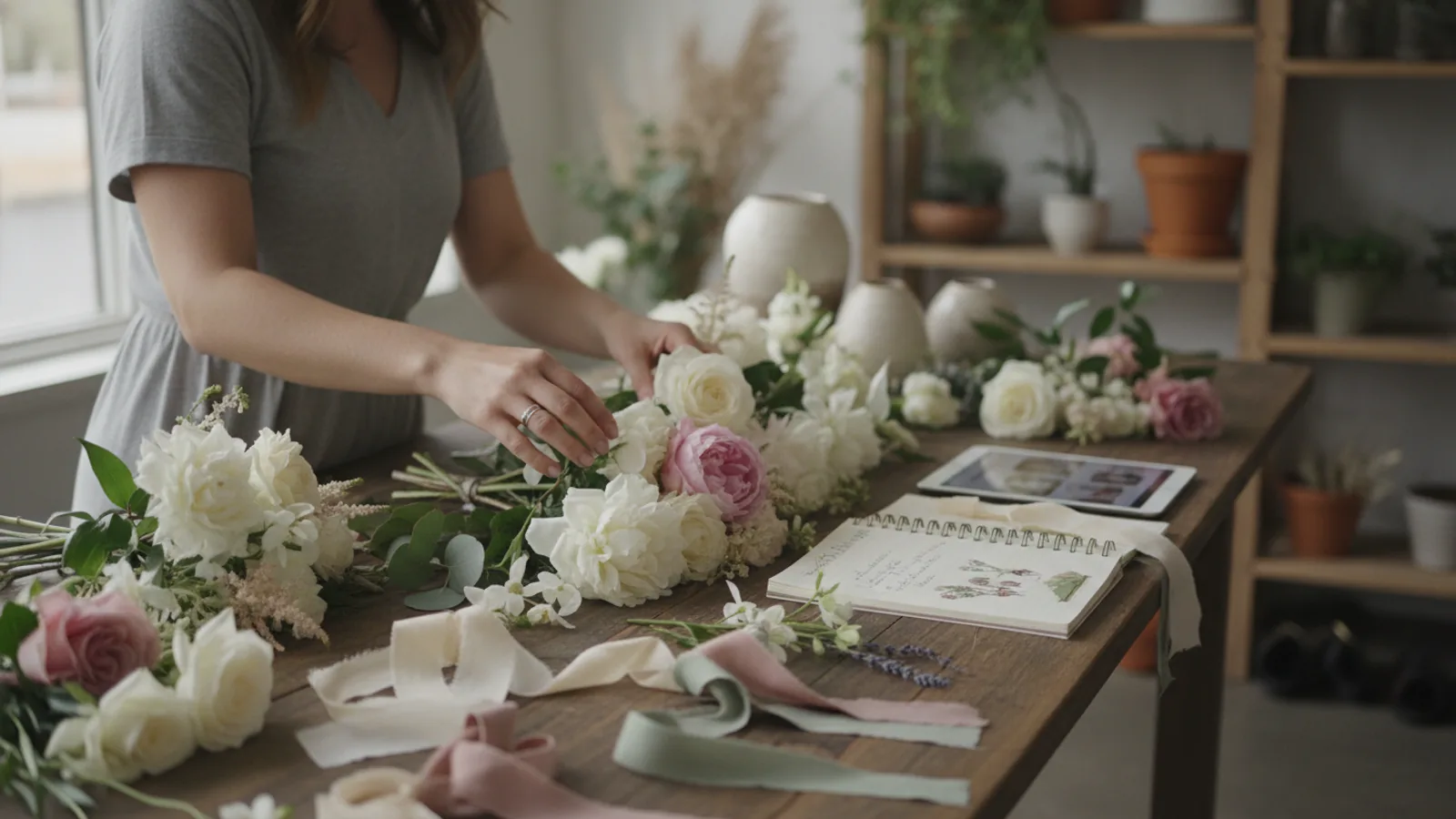
Wedding Flowers Arrangement Ideas
A practical step-by-step guide to wedding flowers arrangement ideas, including preparation, instructions, common issues, tips, and next steps.

Wedding Flowers Arrangement Ideas
Crafting beautiful wedding flowers arrangement ideas can feel like a big task, but with the right guidance, you can create stunning displays for your special day. This guide will walk you through everything from choosing your blooms to arranging them like a professional. It helps couples, friends, or family members who want to add a personal touch to their wedding decor, or simply understand the process better when working with a florist.
Fast Answer
- Main Goal: Create cohesive, stable, and beautiful floral displays.
- Key Element: Balance between focal flowers, secondary blooms, and greenery.
- Best Start: Plan your theme and colour palette first.
Before You Start
- Fresh Flowers and Greenery: A variety of focal flowers (e.g., roses, peonies), secondary flowers (e.g., spray roses, carnations), and filler flowers (e.g., gypsophila, statice), plus greenery (e.g., eucalyptus, ruscus).
- Vases or Containers: Choose sturdy options that match your wedding theme.
- Floral Foam (Oasis) or Flower Grids: Essential for holding stems in place, especially in larger arrangements.
- Sharp Floral Clippers or Scissors: For clean cuts that help flowers absorb water.
- Watering Can or Jug: For hydrating flowers and topping up arrangements.
- Flower Food: Helps keep your blooms fresh for longer.
- Gloves: Protect your hands from thorns and sap.
- Work Surface: A clean, flat area, preferably near a water source.
- Design Inspiration: Photos or ideas that reflect your chosen wedding theme and colours.
- Budget Plan: Know how much you want to spend on flowers to guide your choices.
Step-by-Step Instructions
1. Choose Your Wedding Theme and Colour Palette
Before picking up any flowers, decide on the overall look and feel of your wedding. Is it rustic, modern, classic, bohemian, or elegant? Your theme will guide your flower choices. Next, pick a colour palette. This might be soft pastels, vibrant brights, or elegant whites and greens. Think about what colours already exist in your venue or bridal party outfits. Having a clear vision makes selecting your flowers much easier and ensures all your wedding flowers arrangement ideas come together beautifully.
2. Select Your Flowers and Greenery
Once your theme and colours are set, it’s time to choose your blooms. Aim for a mix of different types: focal flowers (the stars of your arrangement like roses, peonies, or hydrangeas), secondary flowers (which complement your focal flowers, such as spray roses, carnations, or stock), and filler flowers (smaller blooms like gypsophila, limonium, or waxflower that add texture and volume). Don't forget greenery! Eucalyptus, ruscus, fern, or olive branches add shape, depth, and help frame your flowers. Consider flowers that are in season for your wedding date, as they will be fresher and often more affordable. For wedding flowers arrangement ideas, variety in size and texture is key.
3. Condition Your Flowers Properly
This is a crucial step for long-lasting wedding flowers. As soon as your flowers arrive, unwrap them carefully. Fill clean buckets with cool water and flower food, following the instructions on the packet. Using your sharp floral clippers, cut about 2-3 cm off the bottom of each stem at a sharp angle (45 degrees). This creates a larger surface area for water absorption. Remove any leaves that would fall below the waterline in your bucket or vase, as these can rot and contaminate the water. Place your conditioned flowers immediately into the buckets of water and let them drink for at least 4-6 hours, or ideally overnight, in a cool, dark place.
4. Prepare Your Containers and Floral Mechanics
For most wedding flowers arrangement ideas, you’ll need a way to keep your flowers in place. If using floral foam, soak it completely in a basin of water until it sinks naturally – never force it down. Cut the foam to fit snugly into your chosen vases or containers. For arrangements in clear glass vases, you might use a flower grid (floral tape creating a grid across the opening) or even just strategically placed greenery to form a natural structure. Ensure your containers are clean to prevent bacteria from shortening the life of your flowers. Fill your containers with fresh water and flower food.
5. Build Your Greenery Base
Start your wedding flowers arrangement ideas by creating a sturdy base with your chosen greenery. Cut stems to varying lengths and insert them into the floral foam or through your grid, building out the overall shape and size you want for your arrangement. Think about the height, width, and depth. This greenery base acts as the skeleton for your arrangement, providing structure and a natural backdrop for your flowers. It also helps to hide the floral foam or mechanics, giving a more polished look. Aim for an organic, balanced shape.
6. Place Your Focal Flowers
Now, introduce your most important blooms: the focal flowers. Place these first, as they will draw the eye. Distribute them evenly throughout your greenery base, keeping your overall desired shape in mind. For a classic round arrangement, place them centrally and evenly spaced. For a more asymmetrical or cascading look, place them off-centre or at varying heights. Cut their stems to the appropriate length for where you want them to sit within the arrangement. Use fewer focal flowers for a minimalist look, or more for a lush, abundant display.
7. Add Secondary and Filler Flowers
With your focal flowers in place, start adding your secondary flowers. These blooms should complement, not compete with, your focal flowers. Fill in the gaps, creating a softer transition between the main blooms and the greenery. Vary their heights and angles for a more dynamic arrangement. Finally, tuck in your filler flowers. These tiny blooms and delicate textures are perfect for filling any remaining small gaps, adding lightness, and giving the arrangement a full, finished appearance. This step brings all your wedding flowers arrangement ideas together, adding depth and richness.
8. Final Touches and Hydration Check
Once all your flowers are in, take one last look. Rotate the arrangement, checking for any bare spots or uneven distribution. Gently adjust any stems as needed. Ensure no floral foam is visible. If it is, use a small piece of greenery or a filler flower to cover it. Finally, and most importantly, ensure your arrangement is well-hydrated. If using floral foam, slowly pour water over the top until it's fully saturated. If using a vase with water, check the level and top it up. Keep the finished arrangement in a cool, shaded spot until the wedding day, away from direct sunlight, heat sources, or ripening fruit.
Quick Reference
| Situation | Use this | Why |
|---|---|---|
| Budget-conscious | Seasonal flowers & more greenery/filler | Fresher, more cost-effective, and adds natural volume. |
| Modern, sleek look | Fewer flower types, strong lines, monochromatic palette | Creates a clean, contemporary aesthetic with intentional design. |
| Rustic, natural feel | Wilder textures, garden roses, natural foliage, wooden containers | Emphasises organic beauty and a relaxed, earthy vibe. |
| Arrangement wilts quickly | Re-cut stems, fresh water with flower food, cool location | Ensures maximum water uptake and slows down aging. |
| Arrangement feels unbalanced | Step back, rotate, add filler or adjust height/placement | Allows for an objective view to achieve visual harmony. |
Common Problems When You Create Wedding Flowers Arrangement Ideas
Even with careful planning, you might run into a few common issues when putting together your wedding flowers arrangement ideas. Knowing how to fix them can save you stress!
- Flowers Wilting Too Soon: This is often due to poor hydration.
- Fix: Re-cut all stems at a sharp angle under running water, then place them in fresh, cool water with flower food for several hours. Ensure no leaves are submerged in the water. Keep arrangements in a cool, dark place until needed.
- Arrangement Falling Apart: If your flowers are wobbly or the arrangement isn't holding its shape, it's usually a problem with your mechanics.
- Fix: Ensure floral foam is properly saturated and fits snugly. If using a vase, make sure your floral grid (tape or natural greenery structure) is strong enough to support the stems. Insert stems deep enough into the foam or grid.
- Arrangement Looks Sparse or Not Full Enough: You might not have used enough flowers or greenery, or they might be spaced too far apart.
- Fix: Go back and add more greenery to build out the basic shape. Then, strategically add more secondary or filler flowers to fill in gaps and create a lusher appearance. Don't be afraid to layer.
- Colours Don't Quite Match: Sometimes flowers look different in person than they did in photos, or your chosen shades clash.
- Fix: If you can, add a few stems of a neutral colour (like white, cream, or soft green) to help break up clashing colours. You can also try to introduce more greenery to visually separate intense hues.
- Stems Breaking When Inserting into Foam: This happens if you're forcing stems or using blunt clippers.
- Fix: Always use sharp floral clippers for clean cuts. If a stem is particularly delicate, create a small pilot hole in the foam with a thicker stem or a skewer before inserting the delicate one.
Advanced Tips for Wedding Flowers Arrangement Ideas
Once you're comfortable with the basics, you can explore more intricate wedding flowers arrangement ideas to add extra flair to your special day.
- Embrace Asymmetry: Instead of perfectly round or balanced arrangements, try an asymmetrical design. Place your focal points off-centre and let some elements trail or extend further on one side. This creates a dynamic, modern, and artistic look.
- Play with Texture: Don't just think about colour; think about how different flower and foliage textures interact. Mix soft, velvety petals with spiky thistles, delicate ferns, or bold, architectural leaves. This adds visual interest and depth.
- Layering Techniques: Create dimension by layering flowers at different depths within the arrangement. Some blooms should sit deeper, almost nestled, while others stand taller or project forward. This prevents a flat, one-dimensional look.
- Incorporate Unique Elements: Consider adding non-floral elements that fit your theme. This could be berries, small branches, dried seed pods, feathers, ribbons, or even small decorative objects carefully secured within the arrangement.
- Consider Scent: For a truly immersive experience, include a few highly fragrant flowers like garden roses, sweet peas, or freesias. Be mindful of not overpowering guests, especially at dining tables, but a subtle, beautiful scent can elevate the atmosphere.
- Cascading Designs: For dramatic centerpieces or bridal bouquets, allow some flowers and greenery to spill gracefully over the edges of the container. This requires careful placement of longer, trailing elements like ivy, jasmine vine, or amaranthus.
- Sustainable Choices: Explore sustainable practices. Opt for locally grown, seasonal flowers to reduce carbon footprint. Consider using reusable containers or flower frogs/grids instead of single-use floral foam.
Wedding Flowers Arrangement Ideas FAQ
Here are some frequently asked questions about creating beautiful floral arrangements for weddings.
Q: How far in advance should I order my wedding flowers?
A: If you're ordering from a florist, it's best to book them 6-12 months in advance, especially during peak wedding seasons. If you're buying loose flowers to arrange yourself, aim to pick them up 2-3 days before the wedding to allow time for conditioning and arranging, but verify availability with your supplier.
Q: Can I use silk or artificial flowers for my wedding?
A: Absolutely! Many couples choose high-quality silk or artificial flowers, especially for specific blooms that are out of season, or if they want to keep their arrangements as keepsakes. They are also a great option for those with allergies or for destination weddings where fresh flowers might be difficult to transport.
Q: What are good budget-friendly flower choices for weddings?
A: Some excellent budget-friendly options include carnations, chrysanthemums, gypsophila (baby's breath), alstroemeria, stock, and greenery like eucalyptus or ruscus. Using more greenery and filler flowers can also help create lush arrangements without breaking the bank.
Q: How do I transport completed arrangements to the venue?
A: For small arrangements, place them in sturdy boxes lined with non-slip matting. For larger centerpieces, you might need to transport them in plastic crates or laundry baskets, carefully wedged to prevent movement. Keep them upright and in a cool vehicle. Drive slowly and avoid sudden stops. Consider transporting flowers in water if possible, especially for bouquets.
Q: How can I keep my wedding flowers fresh all day?
A: Start with well-conditioned flowers. Keep arrangements in a cool, shaded area away from direct sunlight or heat sources. For bouquets, keep stems in water for as long as possible before the ceremony. A spritz of water mist on petals (avoiding sensitive blooms like orchids) can also help.
Final Checklist for Wedding Flowers Arrangement Ideas
Before the big day, use this checklist to ensure all your wedding flowers arrangement ideas are perfect and ready to go.
- ✓ All flowers and greenery are fully hydrated and fresh.
- ✓ Containers are clean and filled with fresh water and flower food.
- ✓ Floral foam (if used) is fully saturated and secure.
- ✓ Arrangements match your chosen theme and colour palette.
- ✓ All arrangements are stable and can withstand transport.
- ✓ No unsightly floral mechanics (foam, tape) are visible.
- ✓ Any wilting flowers or damaged leaves have been removed.
- ✓ All arrangements have been checked from all angles for balance and fullness.
- ✓ Transport plan is confirmed for getting flowers to the venue.
- ✓ A cool, shaded storage area is ready for flowers at the venue.
- ✓ Emergency kit is prepared (small clippers, flower food, spare water, paper towels).
What should I check before acting on advice about wedding flowers arrangement ideas?
Use this guide as a starting point, compare current specifications and costs, and check the details that apply to your own situation before making a purchase or booking.
Where can I find related weddings guidance?
Browse the related guides in this section for practical comparisons, planning notes, and next steps that support the same decision.