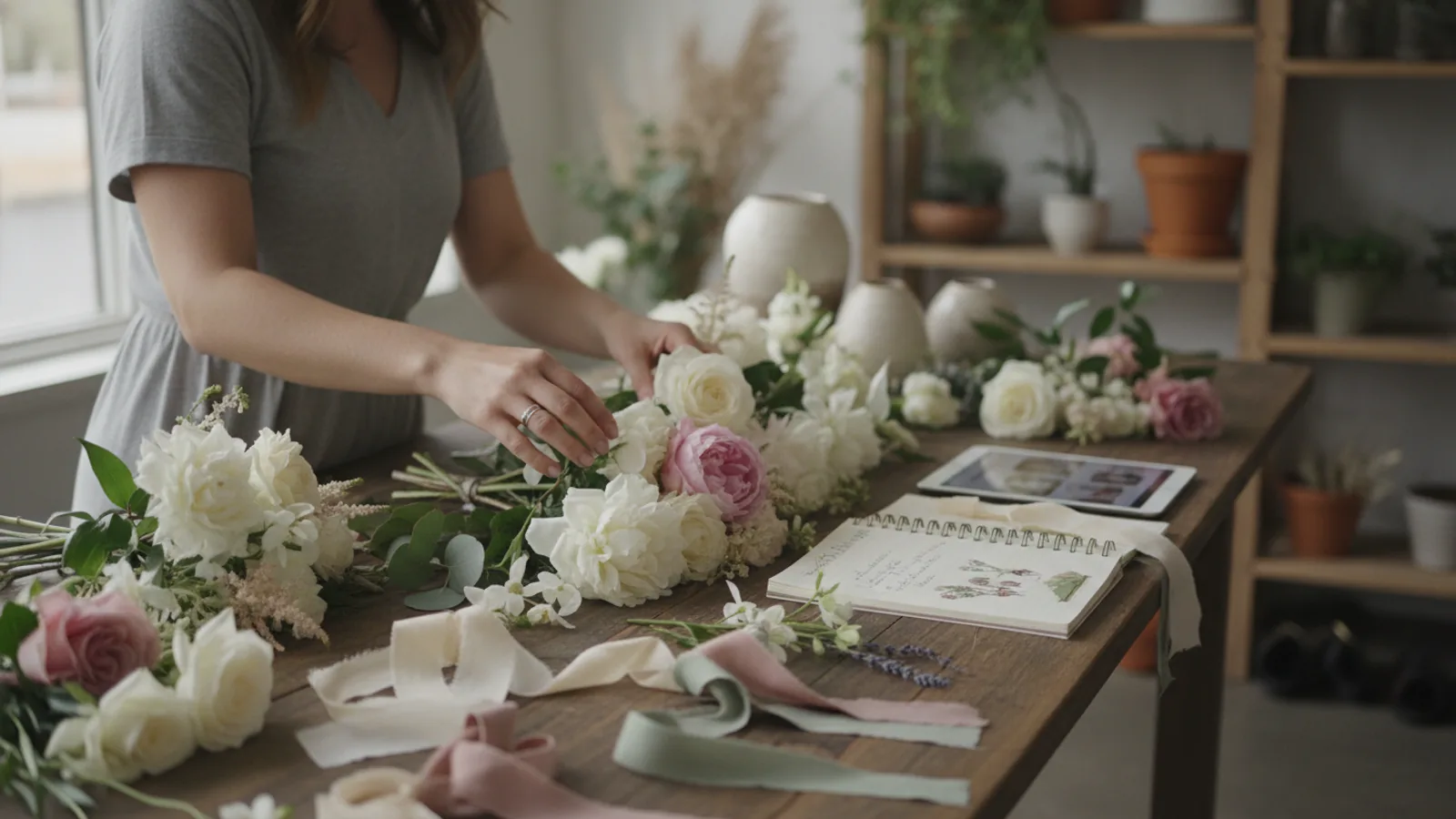
Wedding Flowers Budget Guide
A practical step-by-step guide to wedding flowers budget guide, including preparation, instructions, common issues, tips, and next steps.

Wedding Flowers Budget Guide
Planning your wedding flowers doesn't have to break the bank. This guide will walk you through setting a realistic budget, understanding what influences costs, and finding beautiful floral arrangements that fit your financial plan. It's helpful for any couple looking to enjoy stunning wedding blooms without unexpected expenses, helping you make smart choices from your first ideas to your final arrangements.
Fast Answer
- Key Strategy: Prioritise and research local, seasonal options.
Before You Start
- An agreed overall wedding budget.
- Your approximate guest list number.
- Your wedding date and venue style (e.g., rustic barn, grand hotel).
- A rough idea of your desired colour scheme or wedding theme.
- A list of 'must-have' floral items (e.g., bridal bouquet, buttonholes).
Step-by-Step Instructions
1. Understand What Influences Flower Costs
Before you even think about specific flowers, it's vital to know what makes prices go up or down. The cost of your wedding flowers isn't just about the blooms themselves; many factors play a part. These include the specific types of flowers you choose – some are naturally more expensive or harder to source. For example, rare or exotic flowers will cost more than common garden varieties.
The time of year for your wedding is also a big factor. If you pick flowers that are in season locally, they'll be more affordable and fresher. Trying to get out-of-season flowers usually means they have to be imported, which adds to the cost. The size and complexity of your arrangements also matter. A grand floral arch demands more flowers and more work than a simple table arrangement. Finally, the amount of labour involved in creating, delivering, and setting up your flowers (especially for large installations) will significantly impact the final price.
2. Set Your Overall Flower Budget
One of the most important first steps is to decide how much you're willing to spend on wedding flowers. Many couples allocate between 8% and 10% of their total wedding budget to flowers. However, this is just a guideline. If flowers are a top priority for you, you might spend more; if they're less important, you might spend less.
Start by looking at your overall wedding budget and calculate 8-10% of that figure. This gives you a starting point. For instance, if your total wedding budget is £25,000, your flower budget might be around £2,000 to £2,500. Then, consider if this feels right for you and your vision. Be realistic about what you can afford and always try to include a small buffer, perhaps 5-10% extra, for unexpected costs or changes.
3. Prioritise Your Floral Needs
Once you have a budget in mind, it's time to decide where your flower money will have the most impact. Not every floral item holds the same importance. Create a list of all the flower items you think you might want. This could include your bridal bouquet, bridesmaids' bouquets, buttonholes for the groom and groomsmen, corsages, ceremony decorations (like an arch or aisle markers), reception centrepieces, cake flowers, and perhaps flowers for a welcome sign.
Now, go through your list and categorise each item into "must-have," "nice-to-have," and "could-do-without." Your bridal bouquet, for example, is almost always a "must-have." A grand floral arch might be a "must-have" for some, but a "nice-to-have" for others. Focus your budget primarily on the "must-have" items and the areas where flowers will be most visible and photographed, such as the ceremony backdrop and your main reception tables. This helps ensure your essential floral vision is met before you consider extras.
4. Research Florists and Get Detailed Quotes
Finding the right florist is key to managing your budget and achieving your vision. Look for florists whose style matches what you like – some specialise in wild, natural arrangements, while others prefer classic and structured designs. You can find florists through recommendations, wedding directories, and social media platforms like Instagram, which often showcase their previous work.
When you contact florists, be upfront and clear about your budget and your prioritised list of floral needs. Ask for a detailed quote that breaks down the cost of each item, including flowers, foliage, vases or containers, delivery, setup, and breakdown fees. Don't just get one quote; aim for at least two or three so you can compare prices and services. Provide them with your wedding date, venue, and any inspiration photos you have to help them understand your vision better.
5. Explore Cost-Saving Strategies
There are many clever ways to get beautiful flowers without overspending. One of the best strategies is to choose flowers that are seasonal and locally available for your wedding date in the GB. These flowers are usually cheaper and fresher. Consider using fewer varieties of flowers and more greenery. Lush foliage can be incredibly beautiful and is often much more affordable than exotic blooms, giving you a full, rich look for less.
Another option is to consider smaller arrangements. Instead of huge centrepieces, you could opt for smaller, impactful clusters or candles mixed with a few key flowers. You can also re-use flowers from your ceremony at your reception. For example, aisle decorations or altar arrangements can often be moved to decorate the reception space, saving you from buying double the amount. For non-critical items like favours or small bathroom arrangements, consider a DIY approach if you have the time and skill, but be realistic about what you can manage.
6. Be Clear About What's Included (and What's Not)
When reviewing quotes and discussing your options, make sure you have a crystal-clear understanding of what's included in the price. Hidden costs can quickly inflate your budget if you're not careful. Always ask specifically about delivery charges, setup fees at the venue, and any charges for breaking down and collecting items after the event. Some florists might also charge for consultations, or for the hire of vases, arches, or other decorative elements.
It's important to get all these details in writing, preferably in a detailed contract. This way, there are no surprises down the line. If a quote seems vague, don't hesitate to ask for clarification on every line item. A transparent florist will be happy to explain their pricing structure clearly.
7. Re-evaluate and Adjust as Needed
After receiving quotes, compare them against your set budget and your prioritised list. It's common for initial quotes to come in slightly over budget, especially if you had a very ambitious vision. Don't be afraid to go back to your chosen florist and discuss adjustments. A good florist will be willing to work with you to find solutions that fit your budget without sacrificing too much of your vision.
This might involve choosing slightly different flower varieties, opting for smaller arrangements in some areas, or reducing the number of floral items. For example, if your centrepieces are too expensive, you might decide to have larger floral arrangements only on half the tables and use non-floral decor like candles or lanterns on the others. This process of re-evaluation and adjustment is a normal part of wedding planning, ensuring you get the most impact for your money.
8. Finalise Payments and Details
Once you've settled on your final floral plan and signed the contract, make sure you understand the payment schedule. Typically, florists require an initial deposit to secure your date, with interim payments leading up to the wedding, and the final balance due a few weeks or days before the event. Keep clear records of all payments made and ask for receipts.
Confirm the final delivery times, locations, and who will be the contact person at the venue for your florist on the wedding day. Ensure your florist has all necessary contact numbers and any access details for your venue. Double-check all details one last time about a month before the wedding, especially if there have been any small changes since you first booked. This helps ensure a smooth and stress-free experience on your big day.
Quick Reference
| Situation | Use this | Why |
|---|---|---|
| Budget is tight | Prioritise key items (bridal bouquet, ceremony focus). | Ensures core vision is met where it matters most for photos and impact. |
| Want grand look for less | Focus on seasonal flowers & greenery. | Seasonal blooms are cheaper and fresher; abundant foliage creates volume. |
| Worried about hidden costs | Get detailed, itemised quotes. | Clarity on delivery, setup, and hire charges prevents surprises. |
| Want unique, personal touch | Consider repurposing ceremony flowers for reception. | Maximises use of your floral investment and reduces overall spend. |
| Unsure about flower types | Share inspiration photos & budget with florist. | Helps florist suggest suitable options that match your style and wallet. |
Common Problems When You Plan Your Wedding Flowers Budget
Even with careful planning, it's easy to run into common issues when budgeting for wedding flowers. Being aware of these can help you avoid them.
- Unrealistic Expectations: Many couples start with a vision of very expensive or exotic flowers, like peonies in winter, without realising the significant cost. This can lead to disappointment if the budget doesn't match the dream.
- Not Prioritising: Trying to have elaborate floral arrangements for every single part of the wedding can quickly inflate costs. If you don't decide what's most important, you might spread your budget too thinly or overspend on less impactful items.
- Ignoring Hidden Costs: Focusing only on the price of the flowers themselves and forgetting to factor in labour for arrangement, delivery fees, setup at the venue, collection of hired items, and vase rental can lead to budget overruns.
- Late Booking: Waiting too long to book a florist, especially during peak wedding seasons, can limit your choices or result in rush fees, which drive up the cost. Popular florists get booked up quickly.
- Poor Communication with Florist: Being vague about your budget or vision can lead to quotes that are either too high or don't match your style. Clear, honest communication is vital from the start.
- Comparing Apples and Oranges: When getting multiple quotes, it's crucial to ensure you're comparing similar services and flower quantities. A cheaper quote might be for fewer items or less premium flowers, making it hard to make a fair comparison.
Advanced Tips for Your Wedding Flowers Budget
For those looking to go a step further and maximise their flower budget, these advanced tips can make a real difference.
- Repurpose Smartly and Intentionally: Beyond just moving ceremony flowers to the reception, think strategically. Could your bridesmaids' bouquets be placed in vases on cocktail tables? Can the large altar arrangements become statement pieces for the head table? Work with your florist to plan these transitions seamlessly.
- Embrace Greenery as a Design Element: Instead of just filler, make lush foliage like eucalyptus, ruscus, or ferns a central part of your design. This creates a full, natural, and sophisticated look that is significantly more affordable than relying solely on high-end blooms.
- Consider Flower Rentals for Large Installations: Some florists or event companies offer rentals of pre-made large floral installations, such as arches or backdrops, that can be customised with a few fresh blooms. This can be more cost-effective than building everything from scratch.
- Go Local and Sustainable: Source flowers from local flower farms (common in the GB) that grow seasonally. Not only does this often reduce costs, but it also gives your wedding a unique, farm-fresh feel and supports local businesses. Some local growers might even allow you to pick your own flowers for certain DIY elements, saving labour costs.
- Mix High and Low: Don't feel every arrangement has to be top-tier. Pair high-impact, expensive flowers in your bridal bouquet with more affordable, abundant flowers for centrepieces. Or, alternate between elaborate floral centrepieces and simpler, non-floral options like candelabras or elegant lanterns.
- Focus on Fragrance for Impact: Instead of sheer volume, use highly fragrant flowers sparingly in key areas. A few stems of garden roses or sweet peas can provide a luxurious sensory experience without the high cost of filling a whole room with them.
- Negotiate for In-Kind Services: If you have a specific skill or service, sometimes florists are open to trading services or offering small discounts for early booking or payment in full. It's rare but sometimes possible for smaller, independent florists.
Wedding Flowers Budget Guide FAQ
What percentage of my wedding budget should I allocate to flowers?
A common guideline is to allocate between 8% and 10% of your total wedding budget to flowers. However, this is flexible. If flowers are a top priority for you, you might choose to spend more; if they're less important, you could aim for a lower percentage.
Are artificial flowers cheaper than real ones?
Sometimes, but not always, especially for high-quality "real touch" artificial flowers. Artificial flowers can be cheaper if you source them yourself and do the arrangements, or if you plan to keep them as mementos. However, the cost of beautifully arranged, realistic artificial flowers from a professional can sometimes rival real ones. Real flowers often provide a freshness, fragrance, and natural beauty that artificial ones can't quite replicate.
Can I use supermarket flowers for my wedding?
For small, non-critical elements like flowers for a welcome table, guest bathroom, or even for some DIY buttonholes, supermarket flowers can be a budget-friendly option. However, for key arrangements like your bridal bouquet, centrepieces, or ceremony decor, professional florists offer expertise in quality, arrangement, and design that supermarket flowers usually cannot match.
When should I book my wedding florist?
It's generally recommended to book your wedding florist 6 to 12 months before your wedding date, especially if you're getting married during peak season (May to September in the GB). This allows you to secure your preferred florist, gives them ample time to plan, and avoids any rush fees.
What's the best way to save money on wedding flowers?
The most effective ways to save money include choosing seasonal and locally grown flowers, prioritising your floral items, re-using ceremony flowers for the reception, embracing greenery, and being open to simpler, smaller arrangements.
Final Checklist for Wedding Flowers Budget Guide
Use this checklist to ensure you've covered all the important steps in planning your wedding flower budget:
- You have an overall wedding budget established.
- You have set a specific budget range for your wedding flowers.
- You and your partner have discussed and agreed upon your top floral priorities.
- You have researched florists whose style aligns with your vision.
- You have obtained at least two detailed, itemised quotes from florists.
- You have explored cost-saving strategies (seasonal flowers, greenery focus, repurposing).
- You have clarified all included services and potential hidden costs with your chosen florist.
- Your final floral plan fits within your budget, with any necessary adjustments made.
- You understand the payment schedule and have recorded all agreements in writing.
- You have confirmed all delivery and setup details with your florist and venue.