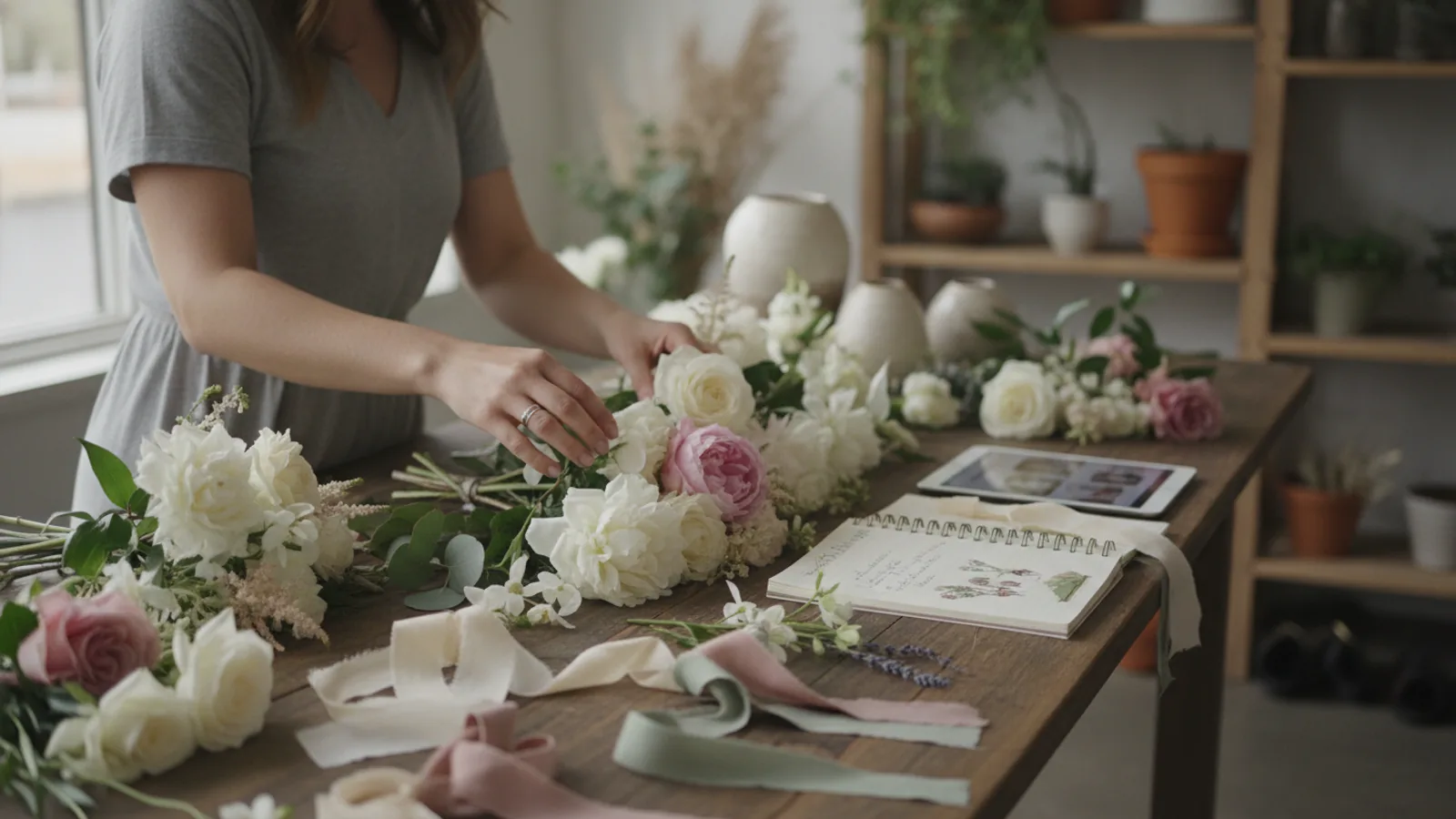
Wedding Flowers Buying Guide
A practical step-by-step guide to wedding flowers buying guide, including preparation, instructions, common issues, tips, and next steps.

Wedding Flowers Buying Guide
Planning your wedding flowers can feel overwhelming, but this guide breaks down every step to help you achieve your dream floral vision. From setting a budget and finding the perfect florist to choosing seasonal blooms and finalising delivery, you'll learn how to navigate the process smoothly. This guide is perfect for anyone planning a wedding in the GB and wants beautiful flowers without the stress, ensuring you get exactly what you've envisioned for your special day.
Fast Answer
- Best time to book: 6 to 12 months before your wedding
- Key decision: Define your budget and style early
- Main goal: Create a personalised floral vision with your chosen florist
Before You Start
- Inspiration Gathering: Collect images and ideas for your ideal wedding flowers. Create a mood board using platforms like Pinterest or a simple folder of magazine cut-outs. This helps you communicate your vision clearly.
- Guest Count & Venue Details: Have a rough idea of your guest numbers and know the specifics of your ceremony and reception venues. This includes their size, existing decor, and any rules about flower arrangements.
- Wedding Date: Your exact wedding date is crucial for checking flower seasonality and florist availability.
- Budget Range: Have a realistic idea of how much you're prepared to spend on flowers before you begin.
Step-by-Step Instructions
1. Set Your Floral Budget
Before you dive into dreaming about specific blooms, the very first and most important step in your wedding flowers buying guide journey is to set a realistic budget. Your flower budget will guide every decision you make, from the types of flowers you can choose to the size and complexity of your arrangements. A common guideline is to allocate around 8-10% of your total wedding budget to flowers. However, this is just a starting point; some couples spend less, while others, for whom flowers are a top priority, may spend more.
Think about what's most important to you. Do you dream of a show-stopping bridal bouquet, or are you more focused on lavish table centrepieces? Prioritising where your flower budget goes will help you make smart choices. Remember that costs can vary greatly based on flower type, seasonality, availability, the size of arrangements, and the complexity of installation at your venue.
Be honest with yourself and your partner about what you can comfortably afford, and then communicate this clearly to any potential florists. A good florist can work with a range of budgets and suggest creative ways to achieve a beautiful look without overspending.
2. Define Your Wedding Style & Theme
With your budget in mind, it's time to start thinking about the overall look and feel of your wedding. Your wedding flowers should complement and enhance your chosen style, whether it's rustic chic, classic elegance, modern minimalist, or bohemian romance. This step is all about gathering inspiration and narrowing down your aesthetic preferences. Consider your venue, your wedding dress, bridesmaid dresses, and even the time of year – these elements can all influence your floral choices.
Begin by collecting images of bouquets, centrepieces, and floral installations that you love. Use platforms like Pinterest, Instagram, or wedding magazines to create a visual mood board. Don't just focus on flowers; include images of colours, textures, fabrics, and general atmospheres that appeal to you. This mood board will become your most valuable tool when speaking with florists, as it helps them understand your vision without you needing to know all the specific flower names.
Think about the colour palette you prefer. Do you want soft pastels, vibrant brights, deep jewel tones, or classic whites and greens? Also, consider the overall "feel" – do you want something wild and natural, structured and formal, or whimsical and playful? Clearly defining your style and theme makes the next steps much easier.
3. Research & Select Your Florist
Finding the right wedding florist is crucial because they will bring your floral vision to life. This is one of the most important decisions in the wedding flowers buying guide process. Start your research by looking for florists who specialise in weddings and whose style aligns with your own. Check their online portfolios, social media, and read reviews from previous clients.
Look for florists who are local to your wedding venue in the GB, as this can often help with delivery logistics and potentially reduce costs. Once you've shortlisted a few florists whose work you admire and whose pricing seems to fit your budget, reach out to them for an initial inquiry. Most florists will offer a consultation, either in person or virtually, to discuss your needs.
During your research, pay attention to the florist's communication style. Do they respond promptly? Do they seem genuinely interested in your wedding? A good rapport with your florist is essential, as you'll be working closely with them to fine-tune your flower choices. Don't be afraid to ask for references if you feel it's necessary.
4. Plan Your Floral Items & Arrangements
Now it’s time to think about all the specific floral items you’ll need for your wedding day. This comprehensive list forms the backbone of your wedding flowers buying guide and will be a key discussion point with your florist. It’s easy to forget small details, so having a checklist helps immensely. Consider flowers for the bridal party, the ceremony, and the reception.
For the Bridal Party:
- Bridal Bouquet: Your main statement piece.
- Bridesmaids' Bouquets: Often smaller versions of the bridal bouquet or complementary designs.
- Buttonholes/Boutonnieres: For the groom, groomsmen, fathers, and other key male guests.
- Corsages: For mothers, grandmothers, and other important female guests (wrist or pin-on).
- Flower Girl Petals/Small Bouquet/Headpiece: Depending on her age and your preference.
For the Ceremony:
- Altar/Arch Decor: Floral arrangements for the focal point of your vows.
- Aisle Decor: Petals, small arrangements on chairs, or larger pieces marking the aisle entrance.
- Pew Ends: Small bouquets or single stems tied to church pews or chair backs.
- Welcome Sign Flowers: A small arrangement to adorn your welcome sign.
For the Reception:
- Centrepieces: The main floral decor for your guest tables. These can be tall, low, or a mix.
- Top Table Arrangement: Often a larger, more elaborate piece for the bridal party table.
- Cake Flowers: Fresh flowers to adorn your wedding cake.
- Buffet/Bar Decor: Small arrangements for food stations or bars.
- Gift Table/Guest Book Table Decor: Subtle touches to enhance these areas.
- Restroom Flowers: A small, elegant arrangement for the guest restrooms.
Discuss each of these items with your chosen florist. They can provide advice on what works best for your venue and budget, and suggest creative ways to maximise impact. Remember to also consider any thank-you bouquets for parents or key helpers.
5. Consider Seasonality & Availability
The time of year you get married in the GB has a huge impact on which flowers are naturally in season and readily available. This is a critical point in any wedding flowers buying guide, as choosing seasonal blooms can significantly affect both cost and freshness. Flowers that are in season locally tend to be more affordable, fresher, and often more fragrant than those that need to be imported from afar.
During your consultation, ask your florist about which flowers are in peak season for your wedding date. Be open to their suggestions! While you might have a dream flower in mind, if it's out of season, it could be very expensive or simply unavailable. A skilled florist can often suggest beautiful, similar-looking alternatives that fit your budget and style perfectly.
General Seasonality Guide for the GB:
- Spring (March-May): Tulips, daffodils, hyacinths, ranunculus, anemones, sweet peas, cherry blossom.
- Summer (June-August): Peonies, garden roses, delphiniums, sweet peas, hydrangeas, lavender, sunflowers, freesias.
- Autumn (September-November): Dahlias, sedum, asters, sunflowers, berries, foliage in rich colours, chrysanthemums.
- Winter (December-February): Hellebores, amaryllis, paperwhites, white narcissus, holly, ivy, pine, eucalyptus, anemones (late winter).
While many flowers are available year-round due to international importing, their cost can fluctuate dramatically. Prioritising seasonal and locally grown flowers supports local growers and is generally a more sustainable choice for your wedding. Your florist will be your best guide here.
6. Schedule Your Consultation & Booking
Once you’ve done your initial research, defined your style, and shortlisted a few florists, it’s time to schedule detailed consultations. This meeting is where your wedding flowers buying guide truly comes to life. Be prepared to share all the information you've gathered so far. Bring your mood board, photos of your dress, venue details, your estimated budget, and the list of floral items you need.
During the consultation, listen carefully to your florist's suggestions. They are experts and can offer valuable insights into what will work best aesthetically and practically for your wedding day. Ask about their creative process, how they source their flowers, and what their typical payment schedule is. It's also a good idea to confirm delivery and setup logistics at this stage.
After the consultation, the florist should provide you with a detailed quote or proposal. Review this document carefully. It should itemise all the floral elements, their estimated costs, and any additional fees like delivery, setup, or breakdown. Don't be afraid to ask for clarification on anything you don't understand or to request adjustments if the quote exceeds your budget. You might be able to reduce costs by scaling back certain arrangements or choosing different flower types.
Once you're happy with the proposal, you'll typically need to pay a deposit to secure your booking. Read the contract thoroughly before signing, paying attention to cancellation policies, final payment dates, and what happens if specific flowers become unavailable.
7. Finalise Details & Delivery
As your wedding day approaches, you’ll have a final meeting or communication with your florist to finalise all the details. This usually happens around 4-6 weeks before the wedding. This is the last chance to make any minor adjustments to your flower plan, confirm quantities, and ensure everyone is on the same page.
During this final check, confirm the following with your florist:
- Final guest count: This affects table centrepiece numbers.
- Exact delivery times and locations: Specify separate times for bridal party flowers, ceremony decor, and reception setup.
- Contact person: Provide a reliable contact person for the wedding day (not you or your partner!) who can liaise with the florist if any questions arise. This could be your wedding planner, maid of honour, or venue coordinator.
- Any last-minute additions or removals: Be aware that major changes at this late stage might incur additional costs or not be possible.
- Payment schedule: Confirm your final payment has been made or is due.
Ensure you have a clear understanding of the florist’s responsibilities for setup and breakdown. Will they place all the arrangements? Who is responsible for moving ceremony flowers to the reception? Who collects any rented items afterwards? Having these details ironed out beforehand prevents stress on the day itself.
Quick Reference
| Situation | Use this | Why |
|---|---|---|
| Unsure of overall style | Create a detailed mood board with colours, textures, and non-flower images | Helps communicate your vision effectively without needing specific flower names. |
| Budget is a key concern | Prioritise 2-3 key floral items (e.g., bridal bouquet, main centrepieces) and use less expensive options for others | Focuses your spending where it matters most, achieving maximum impact within your budget. |
| Specific flower out of season | Ask your florist for seasonal alternatives with similar look or feel | More affordable, fresher, and often more beautiful results; demonstrates flexibility. |
| Don't know much about flowers | Trust your florist's expertise and provide clear style/colour preferences, not specific flower demands | Allows the florist to use their knowledge to create stunning arrangements that fit your vision and budget. |
| Worried about forgetting details | Use a comprehensive checklist for all floral items and delivery/setup instructions | Ensures all necessary elements are covered and logistics are clear for the wedding day. |
Common Problems When You Buy Wedding Flowers
Navigating the wedding flowers buying guide process can sometimes lead to a few common hurdles. Knowing what these are and how to tackle them can save you a lot of stress and potential disappointment.
Overspending Your Budget
It's easy to get carried away by beautiful images and dream arrangements, leading to a budget blowout. Flowers can be a significant wedding expense, and prices vary wildly. If you find yourself exceeding your initial budget, revisit your priorities. Which arrangements are most important to you? Can you reduce the size or complexity of other elements? Discuss this openly with your florist; they are experts at suggesting cost-saving alternatives like using more foliage, fewer expensive blooms, or repurposing arrangements.
Booking Too Late
One of the biggest mistakes couples make is delaying the booking of their florist. Popular florists, especially those known for a particular style, get booked up months, sometimes a year or more, in advance. If you wait too long, you might find your preferred florist is unavailable, or you'll have to pay rush fees. Start your florist search and booking process as early as possible, ideally 6 to 12 months out, to ensure you secure your first choice.
Unrealistic Expectations About Flowers
Sometimes, inspiration images from social media feature flowers that are rare, out of season, or incredibly expensive for your region. Having unrealistic expectations about specific flower availability or cost can lead to disappointment. Always remember that seasonality plays a huge role in the GB market. Be flexible and trust your florist to suggest beautiful, viable alternatives that still capture the essence of your vision.
Lack of Clear Communication with Your Florist
Your florist isn't a mind-reader! If you're not clear about your vision, budget, or concerns, you might end up with flowers that don't quite match your expectations. Use your mood board, provide specific colour swatches, and articulate your preferences as clearly as possible. Don't be afraid to ask questions or express if something in a proposal doesn't feel right. Regular, clear communication ensures you and your florist are on the same page.
Forgetting Key Floral Items
With so many details to organise, it's easy to overlook a small but important floral element, like a corsage for a special aunt or a small arrangement for the guest book table. Using a comprehensive checklist, like the one outlined in this wedding flowers buying guide, helps ensure that every necessary floral item is accounted for. Double-check your list with your florist during your final consultation.
Advanced Tips for Wedding Flowers Buying Guide
Once you’ve mastered the basics of buying wedding flowers, these advanced tips can help you elevate your floral choices, save money, and ensure an even smoother experience for your special day in the GB.
Smart Repurposing of Flowers
As mentioned earlier, repurposing flowers is a brilliant way to maximise your budget and reduce waste. Beyond moving altar arrangements to the reception top table, think creatively. Aisle markers can become small arrangements for high-top tables or bar areas. Your bridesmaids' bouquets can be placed in vases on guest tables or around the cake display. Discuss all repurposing options with your florist and your venue coordinator to ensure a smooth transition on the day. Have clear instructions for who moves what and when.
Embrace Local and Sustainable Choices
Going local and seasonal isn't just about saving money; it's also an environmentally friendly choice. Look for florists who specialise in, or are passionate about, using locally grown British flowers. These often have a unique charm, are incredibly fresh, and support local businesses. Discuss options for reducing floral foam (a single-use plastic) or using compostable materials. Choosing sustainable flowers aligns with a growing desire for eco-conscious weddings.
Consider Living Plants for Decor
Instead of relying solely on cut flowers for all your decor, integrate living potted plants. Herbs like rosemary or lavender, or small potted flowers, can make beautiful, sustainable centrepieces or aisle decorations. After the wedding, guests can take them home as favours, or you can use them in your own garden. This adds a unique touch and offers lasting memories beyond the wedding day.
Focus on "Impact" Arrangements
Instead of spreading your budget thinly across many small, insignificant arrangements, identify two or three key areas where flowers will have the most visual impact. This might be a stunning arch at the ceremony, a dramatic bridal bouquet, or breathtaking centrepieces for the top table. By investing more in these focal points, you create "wow" moments that truly stand out, making your wedding flowers feel more luxurious overall, even if other areas are more sparsely decorated.
Trust Your Florist's Vision
While it's important to have your own ideas, remember that your florist is the expert. Once you've conveyed your style and preferences, give them some creative freedom within your budget. They often have innovative ideas for flower combinations, structural designs, and ways to make your budget stretch further than you might imagine. Trusting their expertise can lead to truly unique and beautiful results that you might not have envisioned yourself. They know which flowers work best together and how to achieve specific looks given seasonal availability and logistical constraints.
Wedding Flowers Buying Guide FAQ
Here are some frequently asked questions to help further clarify your wedding flowers buying guide journey.
How much should I budget for wedding flowers?
A general guideline for wedding flowers is to allocate 8-10% of your total wedding budget. However, this is highly flexible. Couples who prioritise flowers might spend 15-20%, while others might spend 5% or less. It truly depends on your vision, the number of arrangements, flower choices, and the complexity of the designs.
When should I book my wedding florist?
You should aim to book your wedding florist between 6 to 12 months before your wedding date. For peak season weddings (summer and early autumn) or if you have your heart set on a very popular florist, booking 12-18 months in advance is advisable.
Can I use artificial flowers for my wedding?
Yes, many couples choose artificial or "silk" flowers. The quality of artificial flowers has improved dramatically, offering a realistic look. They can be a good option for those with allergies, for destination weddings, or if you want to keep your bouquet as a permanent keepsake. Artificial flowers can sometimes be more cost-effective for large installations, but high-quality silk flowers can also be expensive. Discuss the pros and cons with your florist.
What flowers are in season in Spring (March-May) for a GB wedding?
Spring in the GB offers a beautiful array of fresh, vibrant blooms. Popular choices include tulips, daffodils, hyacinths, ranunculus, anemones, sweet peas, and cherry blossom. These flowers offer a fresh, light, and often pastel colour palette perfect for a spring wedding.
What if I don't know much about flowers?
Don't worry! Most couples aren't flower experts. Your florist is there to guide you. Focus on communicating your overall wedding style, colour scheme, and the "feeling" you want your flowers to evoke. Use mood boards, share photos of your dress and venue, and let your florist suggest specific flower types and arrangements that fit your vision and budget. They are the experts in floral design.
Can I do my own wedding flowers to save money?
For small, simple elements like buttonholes or very basic centrepieces, some couples choose DIY. However, for bridal bouquets, complex arrangements, or large quantities, it's generally best to hire a professional. DIYing can be incredibly time-consuming and stressful in the days leading up to your wedding, requiring a lot of knowledge about flower care and arrangement techniques. Weigh the time commitment and potential stress against the cost savings carefully.
Final Checklist for Wedding Flowers Buying Guide
Use this final checklist to ensure you've covered all your bases for your wedding flowers. Ticking these off will give you peace of mind that your floral vision is in safe hands.
- Budget Set: Have you clearly defined and allocated your floral budget?
- Style & Theme Defined: Is your wedding style and colour palette clearly established and communicated?
- Florist Booked: Have you secured your chosen florist with a signed contract and deposit?
- Floral Items Listed: Is there a comprehensive list of all required floral arrangements for the bridal party, ceremony, and reception?
- Seasonality Considered: Have you discussed seasonal flower options and accepted suitable alternatives if needed?
- Delivery & Setup Confirmed: Are all logistics for flower delivery, setup, and potential breakdown clearly agreed upon?
- Final Details Confirmed: Have you had your final consultation and confirmed all quantities and specific flower choices?
- Payment Scheduled: Is the final payment due date noted, and arrangements made for it?
- Emergency Contact Provided: Is there a clear point person for the florist on the wedding day?
- Repurposing Plans: Have you discussed any plans for repurposing flowers from ceremony to reception?
By diligently following this wedding flowers buying guide, you'll be well on your way to enjoying beautiful, stress-free blooms that perfectly enhance your special day in the GB.