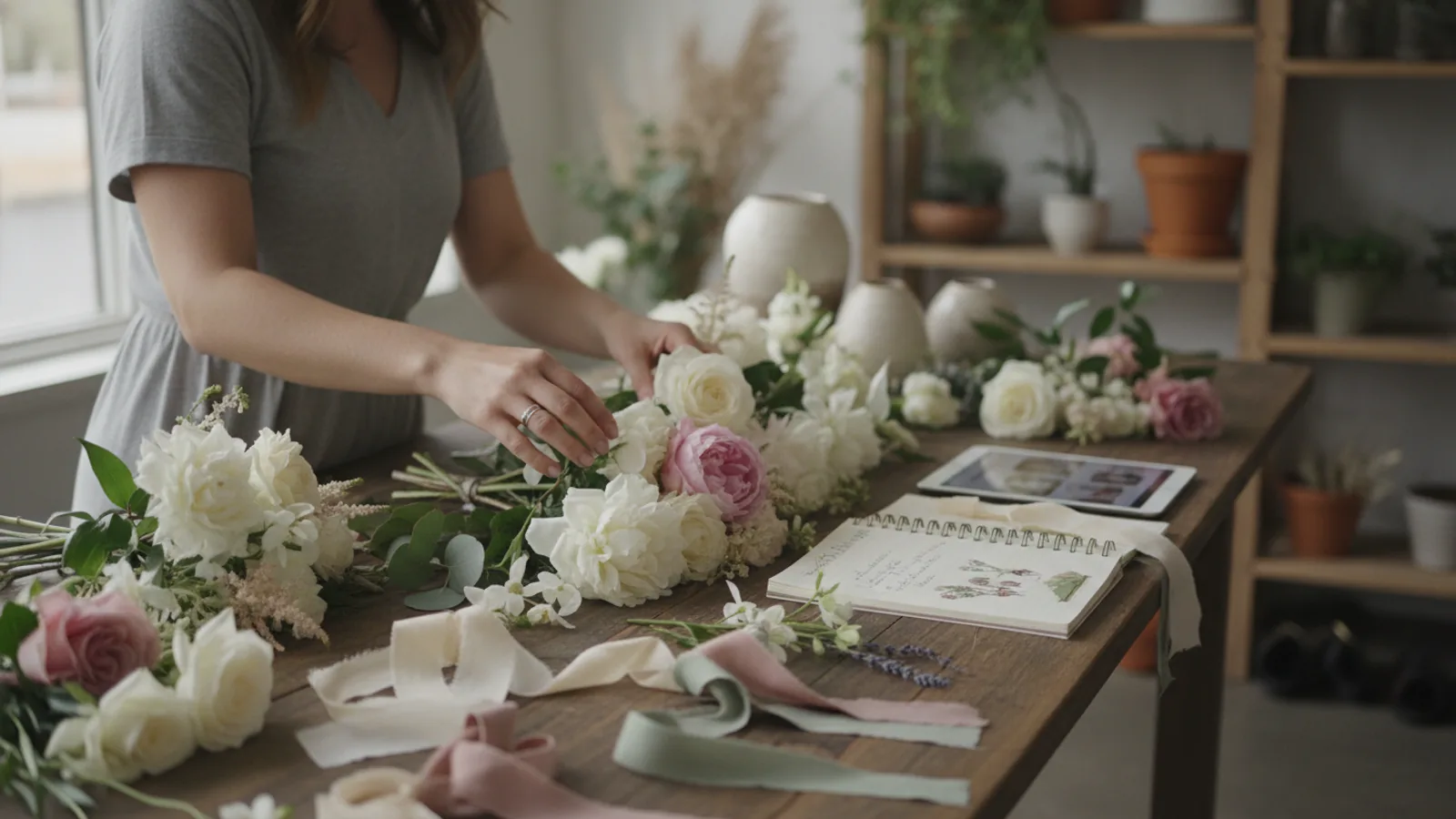
Wedding Flowers Care Guide
A practical step-by-step guide to wedding flowers care guide, including preparation, instructions, common issues, tips, and next steps.

Wedding Flowers Care Guide
Your wedding flowers are a beautiful centrepiece of your special day, symbolising love and new beginnings. This comprehensive wedding flowers care guide will help you keep them looking vibrant and fresh from the moment they arrive until long after the celebrations. Whether you have delicate bouquets, grand arrangements, or intricate buttonholes, learning the right techniques for hydration, storage, and handling will ensure your blooms truly shine. Follow these steps to protect your floral investment and cherish their beauty.
Fast Answer
- Immediate Action: Trim stems and place in fresh water with floral food.
Before You Start
- Sharp Floral Shears or Knife: Essential for clean cuts that allow flowers to drink water efficiently. Avoid blunt scissors which can crush stems.
- Clean Buckets or Vases: Use thoroughly cleaned containers to prevent bacteria from contaminating the water, which can block stems.
- Fresh, Cool Water: Always use fresh, preferably filtered, water. Avoid warm or hot water unless specifically advised for certain flower types.
- Floral Food Sachets: These contain nutrients and an antibacterial agent to prolong the life of your blooms. Your florist will usually provide these.
- Clean Working Area: A tidy space makes the care process smoother and reduces the risk of damaging delicate petals.
- Soft Cloths or Paper Towels: For drying off any drips or spills without harming the flowers.
- Misting Bottle (Optional): Useful for hydrating certain delicate blooms, like hydrangeas or orchids, and for boutonnières.
- Protective Gloves (Optional): If you have sensitive skin or are working with flowers that might have sap.
Step-by-Step Instructions
1. Welcome Your Flowers Home and Inspect Gently
When your beautiful wedding flowers arrive, handle them with extreme care. Carefully remove any protective packaging your florist has used. Gently unwrap any tissue or cellophane, being mindful not to bend or break delicate stems and petals. Take a moment to inspect all the arrangements, bouquets, and individual blooms. Look for any signs of damage during transit, such as bruised petals, broken stems, or excessive wilting. If you notice any significant issues, contact your florist immediately so they can advise or provide a solution.
2. Prepare Your Workspace and Tools for Success
Before you begin any hands-on care, set up a clean, clear, and spacious workspace. Lay down some newspaper or a protective sheet to catch any water or debris. Ensure you have all your necessary tools within easy reach: your sharp floral shears or knife, clean buckets or vases, fresh cool water, and the floral food sachets. This preparation step prevents frantic searching and allows you to work efficiently, which is important given the time-sensitive nature of flower care.
3. Give Stems a Fresh Start with a Clean Trim
For every individual stem, bouquet, or arrangement, you'll need to re-cut the stems. Using your sharp floral shears or knife, trim at least 1 to 2 inches off the bottom of each stem at a 45-degree angle. This angled cut creates a larger surface area for water absorption and prevents the stems from sitting flat on the bottom of the container, which can block water uptake. For best results, consider cutting stems under cool, running water or submerged in a shallow basin. This prevents air bubbles from entering the vascular system of the flower, which can block water from reaching the bloom.
4. Hydrate, Hydrate, Hydrate Immediately
After trimming, immediately place your wedding flowers into clean buckets or vases filled with fresh, cool water mixed with floral food. Follow the instructions on the floral food sachet for the correct ratio; typically, one sachet is for one litre of water. The floral food provides essential nutrients to nourish the flowers and contains an anti-bacterial agent to keep the water clean. Ensure all stems are fully submerged in the water up to their necks, allowing them to drink abundantly after their journey. Allow them several hours, ideally 4-6, to rehydrate fully before moving or arranging them further.
5. Find the Perfect Resting Place for Conditioning
Once your wedding flowers are hydrated, they need a cool, shaded, and still environment to condition. This helps them firm up and prolongs their freshness. Avoid direct sunlight, heat sources (like radiators or hot lamps), and draughts, as these can cause rapid dehydration. Keep them away from ripening fruit, such as apples or bananas, which release ethylene gas – a natural plant hormone that speeds up ageing and can cause flowers to wilt or drop petals prematurely. A cool utility room, a dark pantry, or a shaded, airy spot in your home is ideal. Proper conditioning is a cornerstone of this wedding flowers care guide.
6. Daily Checks and Tender Loving Care (TLC)
Ongoing daily care is crucial to maintaining the beauty of your wedding flowers. Each morning, check the water level in all containers and top them up with fresh water mixed with floral food as needed. If the water appears cloudy or discoloured, it's time for a full water change. Gently remove the flowers, clean the container thoroughly, re-cut the stems by about half an inch (again, at an angle), and replace them in fresh solution. Carefully remove any wilting or dead leaves and petals, as these can promote mould growth and absorb nutrients that the healthy parts of the flower need.
7. Bouquet-Specific Care for the Big Day
Your bridal bouquet and bridesmaids' bouquets are central to your wedding day photos. While they often arrive with their stems wrapped or in a vase of water, ensure they remain hydrated until the very last moment. If your bouquet has an exposed stem wrap, it's often designed to sit in a vase of water. Keep it in a cool place, away from direct sunlight. Before the ceremony, give the stems a quick spritz of water from a misting bottle, especially if you anticipate a long photoshoot. For bouquets with delicate blooms, a light mist can revive them. Remember to pat any excess water from petals before carrying them down the aisle to avoid water spots.
8. Boutonnière and Corsage Comfort
Boutonnières and corsages are designed to be worn out of water for several hours, making their pre-wedding care vital. Your florist will typically provide them in a small box, sometimes with a damp cotton wool ball or a tiny water vial for hydration. Keep these items in their box in the coolest part of your home, like a fridge (not a freezer compartment!) or a very cool pantry. A light misting with water just before wearing can help refresh them, but be careful not to oversaturate, especially if there's delicate fabric or ribbon involved. These small arrangements are particularly susceptible to wilting due to body heat and lack of water.
9. Arrangement Resilience: Centrepieces and Decor
For larger arrangements, such as centrepieces, altar flowers, or arch decor, the wedding flowers care guide focuses on maintaining their water supply. If they are in floral foam, ensure the foam remains saturated with water mixed with floral food. Gently pour water directly onto the foam daily, checking that it's fully absorbed. For vase arrangements, monitor the water level carefully and top up as needed. If possible, keep these arrangements in a cooler, shaded spot until closer to when they are needed for display. Avoid placing them near heating vents, open windows with strong sunlight, or speakers that vibrate, as these can all compromise their longevity.
10. After the Aisle: Preservation & Enjoyment
Once the wedding day is over, you might want to preserve your cherished wedding flowers as a keepsake. Popular methods include drying (hanging upside down in a dark, airy spot), pressing (between heavy books), or having them professionally preserved. If you're not preserving them, you can still enjoy them for several more days by continuing daily care: fresh water, trimmed stems, and a cool environment. Share the joy by giving arrangements to guests or loved ones who helped make your day special. This final step is about savouring the memory and beauty of your blooms.
Quick Reference
| Situation | Use this | Why |
|---|---|---|
| Flowers look limp/wilting | Re-cut stems (1-2 inches) and place in deep, fresh, cool water with floral food. | Removes air blockages and allows for maximum water uptake. |
| Water is cloudy or smells bad | Change water completely, clean vase thoroughly, re-cut stems, and add fresh floral food. | Indicates bacterial growth, which clogs stems and shortens flower life. |
| Petals are browning or falling off quickly | Remove affected blooms or petals, keep flowers away from direct heat/sun and ripening fruit. | Could be signs of dehydration, heat stress, or ethylene gas exposure. |
| Flowers delivered a day early | Condition in a cool, dark place, away from fruit, with fresh water and floral food. | Slows down the ageing process, allowing them to remain fresh for the big day. |
| Bouquet needs a quick lift before photos | Lightly mist the blooms and foliage (avoid over-misting). | Provides a temporary boost of hydration, especially for delicate varieties. |
Common Problems When You Care for Wedding Flowers
Even with the best intentions, you might encounter a few common issues when looking after your wedding flowers. Knowing how to identify and address these problems quickly is key to preserving their beauty.
1. Wilting or Drooping Flowers
This is perhaps the most common and disheartening problem. Wilting occurs when flowers aren't getting enough water to their petals. This can happen if stems aren't cut properly, if there's an air bubble block in the stem, or if the water itself is dirty.
- Fix: Immediately remove the flowers from their container. Re-cut 1-2 inches from each stem at a sharp 45-degree angle, ideally under running water. Place them into a bucket of deep, fresh, cool water mixed with floral food. Allow them several hours in a cool, dark place to rehydrate fully. This often revives them dramatically.
2. Browning Edges or Petals
Browning edges on petals, especially on roses or lilies, can be a sign of dehydration or stress. It can also be caused by rough handling or exposure to extreme temperatures.
- Fix: Gently remove any significantly browned outer petals. Ensure the flowers are consistently hydrated with fresh water and floral food. Keep them away from direct sunlight, heating vents, or overly cold draughts. If it's a specific flower type known to brown easily, ensure they are not exposed to too much handling.
3. Cloudy or Smelly Water
If the water in your vase or bucket becomes cloudy, discoloured, or develops an unpleasant odour, it's a clear sign of bacterial growth. These bacteria clog the tiny tubes within the flower stems, preventing water uptake and causing premature wilting and decay.
- Fix: This requires immediate action. Remove all flowers, discard the old water, and thoroughly clean the container with warm, soapy water, scrubbing away any slime. Rinse thoroughly. Re-cut the stems by about half an inch and place the flowers back into fresh, cool water with the correct amount of floral food. Repeat this process every 1-2 days if the problem persists.
4. Petals Falling Off Too Soon
Premature petal drop can be caused by several factors, including the natural life cycle of the flower, ethylene gas exposure, or being too warm.
- Fix: Keep flowers away from ripening fruits and vegetables, which release ethylene gas. Ensure they are in a consistently cool environment. Some flowers, like delphiniums or stock, naturally shed florets. Gently remove any loose petals to keep the arrangement looking tidy and to prevent further decay.
5. Fuzzy Stems or Leaves (Mould)
Discovering a fuzzy, grey, or white substance on stems or leaves, especially in humid conditions, indicates mould or botrytis.
- Fix: Immediately remove any affected parts of the plant and discard them away from other flowers to prevent spread. Ensure good air circulation around your flowers and avoid overcrowding them in vases. Do not mist flowers that are already showing signs of mould. Maintain clean water and containers.
Advanced Tips for Wedding Flowers Care Guide
Beyond the basics, a few advanced techniques can further extend the life and beauty of your wedding flowers, ensuring they remain picture-perfect for longer.
1. Deep Conditioning for Thirsty Blooms
If you have any particularly thirsty or travel-stressed flowers, consider a "deep conditioning" treatment. After re-cutting the stems, submerge the entire flower head and stem into a bath of cool water for about 30 minutes to an hour. This allows the flowers to absorb water through their petals and leaves, providing a quick rehydration boost. This method is particularly effective for hydrangeas, roses, and other blooms that can quickly show signs of dehydration. Ensure the water is clean and cool.
2. The Power of Professional Floral Food
While a DIY sugar and bleach solution can work in a pinch, professional floral food is specifically formulated to provide the optimal balance of nutrients and antibacterial agents. It's designed to mimic the sap of the plant and keep the water free from micro-organisms. Always use the sachets provided by your florist, as they are tailored to the needs of cut flowers. If you run out, reputable garden centres often sell larger quantities.
3. Strategic Placement and Acclimatisation
Think about where your flowers will be displayed on the wedding day. Moving flowers from a cool storage area to a warm reception hall can shock them. If possible, gradually introduce your arrangements to the ambient temperature of their final display location over an hour or two. This acclimatisation helps them adjust without stress. Avoid placing arrangements directly under air conditioning vents, heating systems, or in direct, strong sunlight.
4. Specific Care for Delicate Varieties
Some flowers require a little extra attention. Lilies, for example, have pollen anthers that can stain fabric. Gently remove the anthers with a tissue before display. Hydrangeas are notoriously thirsty; if they wilt, a full submersion in water can often revive them. Orchids are sensitive to cold and draughts; keep them in a stable, warm environment. Researching specific flower care for your chosen blooms can be incredibly helpful.
5. Re-purposing and Sharing Your Blooms
After the wedding, don't let your beautiful flowers go to waste! Encourage guests to take centrepieces home. Donate larger arrangements to local hospitals, nursing homes, or charities to spread joy. This not only minimises waste but also allows the beauty of your wedding flowers to be enjoyed by more people, extending their life and purpose beyond your special day.
Wedding Flowers Care Guide FAQ
Q1: How long will my wedding flowers typically last?
A: With proper care, most cut wedding flowers can last anywhere from 4 to 7 days after the wedding. Some hardy varieties, like carnations or chrysanthemums, can last even longer, while delicate blooms such as sweet peas or poppies might only last 2-3 days. Bouquets and arrangements handled frequently on the wedding day might have a slightly shorter lifespan due to stress and lack of consistent water.
Q2: Can I put my wedding flowers in the fridge to keep them fresh?
A: You can, but with caution. A domestic fridge can be a good option for short-term storage (1-2 days) for boutonnières, corsages, and possibly small arrangements, as it provides a cool, dark environment. However, ensure there is no ripening fruit or vegetables in the fridge, as the ethylene gas they release will cause flowers to wilt rapidly. Also, avoid placing them near the freezer compartment or vents that might dry them out. Large bouquets or arrangements may not fit or could be damaged.
Q3: What should I do if my flowers arrive already looking wilted?
A: If your wedding flowers arrive wilted, don't panic. First, contact your florist to inform them of the situation. Then, give them an immediate and aggressive drink. Re-cut at least 2 inches off the stems at an angle and place them into deep, fresh, cool water with floral food. Allow them to rehydrate in a cool, dark place for several hours, or even overnight. Many flowers can make a remarkable recovery with this emergency treatment.
Q4: How do I transport my wedding flowers safely from one location to another?
A: Safe transport is crucial. If moving them yourself, ensure bouquets are kept upright in vases with a little water. For larger arrangements, place them in sturdy boxes or crates to prevent tipping. Keep the car cool, and avoid placing flowers in direct sunlight through windows. Secure all items so they don't slide around. If possible, transport flowers in the coolest part of the day.
Q5: Can I reuse or re-purpose my wedding flowers after the event?
A: Absolutely! Reusing or re-purposing your wedding flowers is a lovely way to extend their enjoyment. You can gift centrepieces to guests, donate them to local charities, or dry and press individual blooms as a keepsake. You can also carefully dismantle arrangements to create smaller, personal bouquets for your home. Many couples choose to hang their bridal bouquet upside down in a dark, airy space to air-dry it as a lasting memory.
Final Checklist for Wedding Flowers Care Guide
To ensure your wedding flowers remain as stunning as your big day, use this final checklist:
- ✓ Upon arrival, inspect all flowers gently for any damage.
- ✓ Immediately prepare a clean workspace with all necessary tools.
- ✓ Re-cut all stems by 1-2 inches at a 45-degree angle.
- ✓ Place flowers into fresh, cool water with the correct amount of floral food.
- ✓ Remove any foliage that will sit below the waterline.
- ✓ Store flowers in a cool, dark, and draught-free place, away from direct sunlight and ripening fruit.
- ✓ Check water levels daily and top up with fresh floral food solution.
- ✓ Change water completely and re-trim stems every 1-2 days, or if water becomes cloudy.
- ✓ For bouquets, keep them hydrated in water until moments before carrying.
- ✓ For boutonnières/corsages, store them in their box in the coolest possible place (e.g., a fridge free of fruit).
- ✓ Be gentle when handling all blooms to prevent bruising and damage.
- ✓ Consider post-wedding preservation or re-purposing to extend enjoyment.
Following this wedding flowers care guide will help you cherish your beautiful blooms throughout your celebration and beyond. Enjoy every moment with your exquisite floral displays!