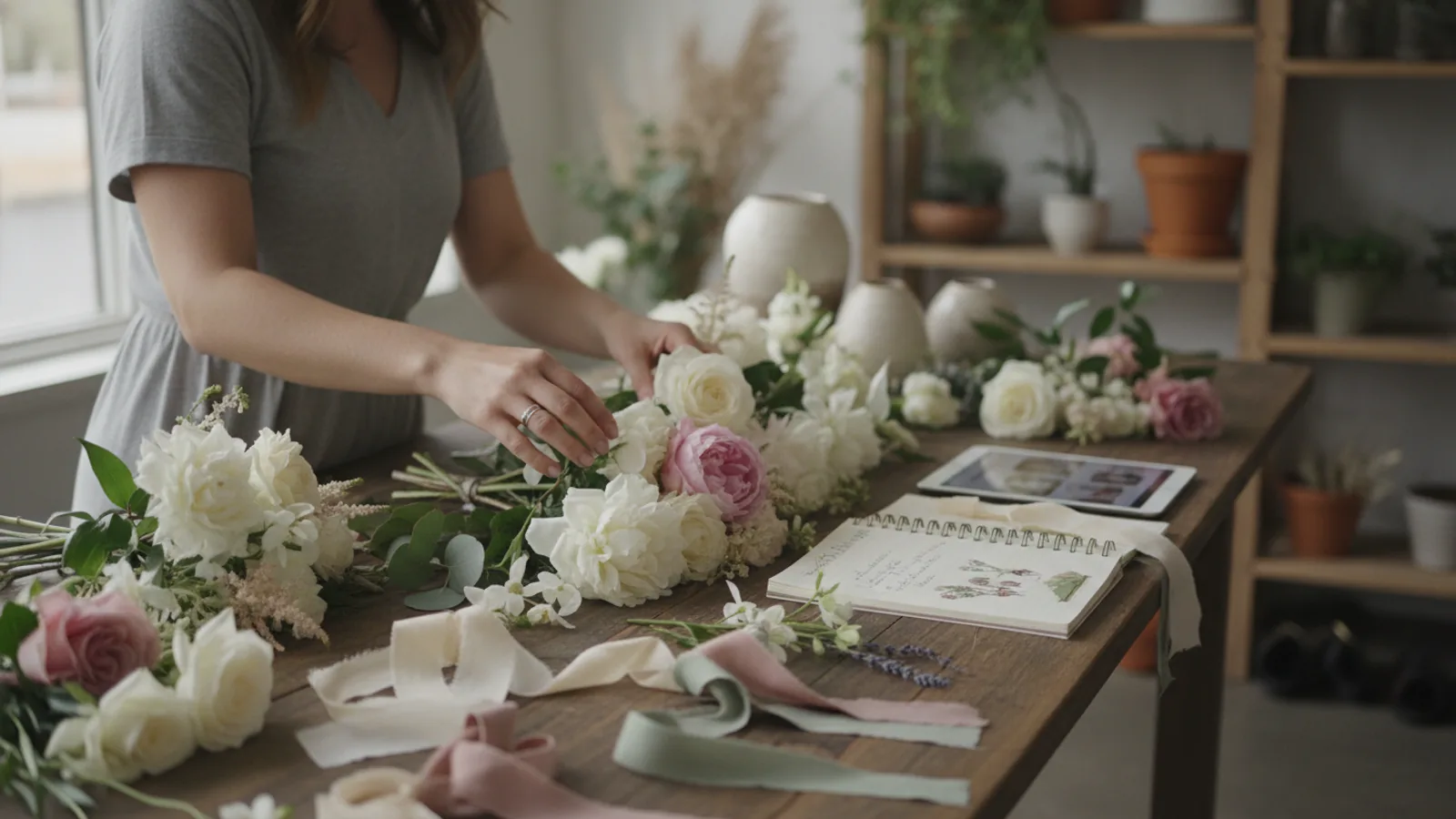
Wedding Flowers Colour Ideas
A practical step-by-step guide to wedding flowers colour ideas, including preparation, instructions, common issues, tips, and next steps.

Wedding Flowers Colour Ideas
Choosing the perfect colours for your wedding flowers is a joyful journey that sets the mood for your special day. This guide will walk you through everything from understanding your personal style and wedding theme to picking main colours and adding beautiful accents. You'll learn how to create a harmonious floral display that truly reflects your love story, making the process of selecting your wedding flowers straightforward and inspiring.
Fast Answer
- Start Point: Wedding theme & season
- Key Element: Colour harmony
- Pro Tip: Consult your florist early
Before You Start
- An understanding of your overall wedding theme or style (e.g., rustic, classic, modern, bohemian).
- Your chosen wedding venue and its existing decor or natural colours.
- Ideas for your wedding attire colours, especially the bride's dress and bridesmaid dresses.
- A rough idea of your flower budget, as certain colours or flower types can affect costs.
- The exact season and date of your wedding, which influences flower availability.
- A collection of inspiration images (Pinterest boards, magazine clippings) of floral arrangements you love.
Step-by-Step Instructions
1. Define Your Wedding Vibe and Theme
Before diving into specific shades, take some time to really think about the overall feeling and atmosphere you want for your wedding day. Is it going to be a grand, elegant affair, or something more relaxed and intimate? Your wedding's style will be your guiding star for colour choices. A classic wedding might lean towards sophisticated whites and creams, while a whimsical, bohemian celebration could embrace more eclectic, vibrant hues.
Consider words that describe your dream wedding: romantic, modern, rustic, glamorous, vintage, playful, serene? Jot these down. These words will help you narrow down the vast world of colour palettes and ensure your floral choices align perfectly with your vision.
2. Look at Your Venue and the Wedding Season
Your wedding venue itself is a huge source of inspiration for your flower colours. Is it a grand stately home with rich wallpapers, a modern city loft with clean lines, or a rustic barn surrounded by nature? The existing colours of the venue's walls, carpets, and furnishings should either be complemented or contrasted thoughtfully by your flowers.
The season also plays a critical role. For example, spring weddings often feature soft pastels like blush pinks, sky blues, and gentle yellows, reflecting new growth. Summer invites bolder, brighter colours such as fuchsias, oranges, and vivid greens. Autumn naturally calls for warm, earthy tones like deep reds, burnt oranges, and golden yellows. Winter can embrace icy blues, silvers, crisp whites, or rich jewel tones like emerald green and ruby red.
3. Factor in Your Attire and Wedding Party Colours
The colours of the wedding attire, particularly the bridal gown and bridesmaid dresses, are crucial elements in your overall colour scheme. Your flowers should complement, rather than clash with, these outfits. For example, if your bridesmaids are wearing a deep emerald green, you might choose flowers with hints of cream, blush, or gold to create a sophisticated contrast, or opt for complementary greens to create a lush, monochromatic look.
You don't need to match everything exactly. Sometimes, a subtle complement works even better than a direct match, allowing each element to stand out beautifully. Consider the groom's attire too – a boutonnière should always harmonise with his suit or tuxedo.
4. Explore Colour Harmony Principles
Understanding basic colour theory can greatly simplify your decision-making. You don't need to be an artist, just grasp a few simple concepts:
- Monochromatic: Using different shades and tints of a single colour (e.g., light pink, medium pink, deep rose). This creates a very elegant and cohesive look.
- Analogous: Using colours that are next to each other on the colour wheel (e.g., yellow, yellow-orange, orange). This creates a harmonious, pleasing flow.
- Complementary: Using colours opposite each other on the colour wheel (e.g., blue and orange, red and green). These create high contrast and can be very striking and vibrant.
- Triadic: Using three colours evenly spaced on the colour wheel (e.g., red, yellow, blue). This creates a bold and balanced palette.
- Neutral with Pop: Pairing classic neutrals (white, cream, grey, beige) with one bold accent colour. This is a popular choice for timeless elegance with a modern twist.
Think about the emotion each type of palette evokes. Monochromatic often feels calm, complementary feels exciting, and analogous feels serene. This will help you choose a palette that matches your desired wedding vibe.
5. Pick Your Main Colour(s)
Once you have a general idea of your vibe, venue, attire, and colour harmony, it's time to choose your core colour or two. This will be the dominant shade in your floral arrangements and often throughout your wedding decor. This main colour often comes from your bridesmaids' dresses, the venue's existing palette, or simply a colour you both adore and feel represents your relationship.
Don't feel pressured to pick too many main colours. Often, one or two strong foundation colours, supported by neutrals and accents, create the most impactful and cohesive look. For example, if you love dusty rose, this could be your main colour. From there, you'd build other colours around it.
6. Add Accent and Filler Colours
After choosing your main colour, you can start to layer in accent and filler colours. Accent colours are typically brighter or deeper shades that provide contrast and interest. They might be used in smaller quantities but make a big impact. Filler colours, often greens and softer neutrals, provide a backdrop and volume, making the arrangement look lush and full.
For example, with a main colour of blush pink, you might add accents of deep burgundy for drama, or soft peach for warmth. Whites, creams, and various shades of green foliage (e.g., eucalyptus, ruscus, fern) would then act as your fillers, tying everything together and giving the arrangement texture.
7. Think About Flower Availability and Natural Hues
It's important to remember that flowers grow in certain colours naturally. While some flowers can be dyed (like blue roses or painted hydrangeas), it's often best to work with what nature provides. This ensures the freshest, most vibrant blooms and usually keeps costs down. Your chosen season will dictate which flowers are most readily available and in what natural colours.
For example, if you dream of peonies, they are typically available in spring and early summer in shades of white, pink, and coral. If you're having an autumn wedding, you might lean into dahlias, sunflowers, and chrysanthemums, which come in a rich array of autumnal colours. Being flexible with specific flower types but firm on your desired colour palette is often the most successful approach.
8. Get Inspiration and Create a Mood Board
Collecting visual inspiration is a crucial step. Create a digital mood board (like on Pinterest) or a physical one with magazine cut-outs. Pin or stick images of flowers, wedding dresses, venue decor, colour palettes, and anything that captures the feeling you want for your wedding.
The goal isn't to copy one specific image, but to gather a collection that shows common themes, styles, and colour preferences. This visual aid will be incredibly helpful when you communicate your ideas to your florist, as it helps bridge the gap between words and actual visuals.
9. Discuss with Your Florist
Once you have a good handle on your vision, it's time to bring in the experts. Your wedding florist is an invaluable resource. They have extensive knowledge of flower availability, seasonal variations, colour theory, and how different flowers work together. Share your mood board, your chosen colours, your venue details, and your wedding attire information with them.
A good florist will listen to your ideas, offer creative suggestions, and guide you toward realistic and stunning options within your budget. They can also advise on how lighting at your venue might affect how certain colours appear, or how to use texture to add depth to a simple colour palette.
10. Finalise Your Choices and Review
With your florist's guidance, you'll work towards finalising your wedding flowers colour ideas. This means confirming your main colours, accent colours, and the types of flowers and foliage to be used. Make sure you feel confident and excited about the chosen palette. Review your decisions in the context of your entire wedding plan – invitations, table linens, cake design – to ensure everything flows seamlessly.
Ask your florist for a detailed proposal, including descriptions or even mock-ups if possible. This helps you visualise the final result and make any last-minute tweaks. Trust your gut feeling; if a colour combination truly speaks to you, it's likely the right one for your special day.
Quick Reference
| Situation | Use this | Why |
|---|---|---|
| Romantic & Soft Wedding | Blush, cream, soft peach, sage green | Creates a gentle, dreamy atmosphere, often timeless. |
| Modern & Chic Wedding | Crisp white, deep green, black, metallic accents | Sleek, sophisticated, and contemporary aesthetic. |
| Rustic & Natural Wedding | Earthy tones, muted browns, terracotta, ivory, natural greens | Connects with nature, warm, inviting, and organic feel. |
| Vibrant & Festive Wedding | Bright fuchsia, sunshine yellow, sapphire blue, emerald green | Energetic, joyful, and memorable celebration. |
| Winter Wonderland Wedding | Icy blue, silver, crisp white, deep burgundy | Evokes elegance, coziness, and festive cheer. |
| Autumn Harvest Wedding | Burnt orange, deep red, golden yellow, forest green | Warm, rich, and reflects the beauty of the season. |
Common Problems When You Choose Wedding Flowers Colour Ideas
Even with careful planning, sometimes couples encounter common hurdles when picking their wedding flower colours. Knowing what these are can help you navigate them smoothly.
Feeling Overwhelmed by Choices
The sheer number of colours and flower varieties can make the decision-making process feel daunting. Many couples find themselves paralysed by too many options or fear making the wrong choice. The vastness of colour palettes on social media or in magazines can add to this feeling.
Fix: Start by eliminating. Decide on one or two colours you absolutely love or dislike. Then, use your wedding theme, venue, and season as filters. Focus on creating a mood board that speaks to you, rather than trying to incorporate every beautiful flower you see. A professional florist can also help narrow down choices based on your initial preferences.
Clashing Colours or Unbalanced Palettes
It's easy to accidentally pick colours that fight with each other or create a look that feels chaotic rather than cohesive. This often happens when couples try to incorporate too many distinct colours or haven't considered how different shades interact.
Fix: Stick to the principles of colour harmony (monochromatic, analogous, complementary, triadic) but keep it simple. Limit your main palette to no more than three key colours, plus neutrals like white, cream, and various greens. Use online colour palette generators or apps to visualise combinations before committing. Always get feedback from your florist on how colours will blend.
Desired Flowers Not Available in Chosen Colours
You might fall in love with a specific flower in a particular shade, only to find it's out of season or doesn't naturally occur in that exact colour. This can be a significant source of disappointment.
Fix: Be flexible with flower types. Prioritise your colour palette over specific flower varieties. Discuss alternatives with your florist; they can often suggest similar blooms that achieve the same colour and texture, or perhaps a different flower that naturally grows in your desired shade. Embrace seasonal flowers to ensure freshness and reduce cost.
Ignoring the Venue's Existing Colours
Sometimes, couples choose flower colours they love, but these colours clash with the venue's permanent decor, wall colours, or even the existing landscaping. This can create a visual disconnect and detract from the overall aesthetic.
Fix: Always consider your venue as part of your colour canvas. Take photos of the venue at different times of day to capture its colours in various lighting. Ask for fabric swatches of any permanent fixtures if possible. If your chosen colours truly clash, consider a more neutral floral palette that won't compete, or use your flowers to subtly draw attention away from clashing elements.
Budget Constraints Impacting Colour Choices
Certain flowers are more expensive, and if your desired colour palette relies heavily on rare, exotic, or out-of-season blooms, your budget can quickly escalate.
Fix: Communicate your budget clearly with your florist from the outset. They can advise you on how to achieve a similar look or colour scheme using more readily available and affordable flowers. Sometimes, adjusting the intensity of a colour or choosing a slightly different shade can open up many more budget-friendly options. Using more foliage or less expensive filler flowers can also help maintain your desired colour scheme within budget.
Advanced Tips for Wedding Flowers Colour Ideas
Once you've mastered the basics, these advanced tips can elevate your wedding flower colour choices, adding depth, personality, and a truly bespoke feel to your celebration.
Embrace Texture and Different Tones within Your Palette
Instead of just thinking about flat colours, consider the texture of different flowers and foliage. A monochromatic palette (e.g., all whites) can still be incredibly dynamic by using flowers with varied textures – a fluffy hydrangea, a smooth calla lily, a delicate baby's breath, and textured eucalyptus. This adds visual interest without introducing new hues. Also, play with different tones of the same colour. For example, using dusty rose, pale pink, and deep fuchsia together creates a rich, graduated effect.
Incorporate Metallics or Non-Floral Elements
For a touch of glamour or a unique twist, consider weaving in non-floral elements. Metallics like gold, silver, or rose gold can be introduced through vases, ribbons, painted foliage, or subtle accents within the arrangements. These not only add sparkle but can also act as a neutral ground to help bridge different colours in your palette. Think about incorporating feathers, berries, interesting branches, or even small fruits for an unexpected pop of colour and texture, especially for autumn or winter weddings.
Use Colour Blocking or Gradients
Instead of mixing all your colours evenly throughout every arrangement, try colour blocking or creating a gradient effect. For example, in a long table arrangement, you might have one end featuring mostly deep reds, slowly transitioning through oranges and peaches to soft creams at the other end. For bouquets, bridesmaids could carry bouquets in an ombre style, each slightly lighter or darker than the last, or different colours entirely to create distinct groupings.
Personalise with Symbolic Colours
Think about colours that hold special meaning to you as a couple. Perhaps a colour from your first date, your university colours, or a shade that represents a shared hobby or a meaningful memory. Incorporating these symbolic colours, even subtly, can add a deeply personal layer to your floral choices and make your wedding truly unique to your story. Your florist can help you find flowers in these specific shades or suggest ways to subtly include them.
Consider Lighting and Its Effect on Colour
Lighting can dramatically alter how colours appear. Warm, dim lighting (like candlelight) will make reds and oranges glow, while blues and purples might appear deeper. Bright, natural daylight brings out the true vibrancy of all colours. Discuss your venue's lighting with your florist and consider how it might impact your chosen palette. Sometimes, adding uplighting in a complementary colour can enhance your floral displays and create a magical atmosphere.
Think Beyond the Bloom: Ribbons, Vases, and Linens
Your colour palette isn't just about the flowers themselves. The accessories you choose for your floral displays are just as important. Ribbons tied around bouquets, the colour and material of your vases, and even the table linens can all reinforce and enhance your chosen colours. These elements offer opportunities to introduce deeper tones, textures, or metallic accents that tie the whole look together seamlessly.
Wedding Flowers Colour Ideas FAQ
Here are some frequently asked questions to help you further refine your wedding flower colour choices.
How many colours should I choose for my wedding flowers?
Generally, it's best to stick to a core palette of two to three main colours, plus neutrals like white, cream, and various shades of green foliage. This creates a cohesive and elegant look without being overwhelming. You can then add one or two subtle accent colours if desired, but less is often more for a sophisticated finish.
Can I use black or very dark colours in my wedding flowers?
Absolutely! Black or very dark colours (like deep burgundy, plum, or navy) can add a dramatic, sophisticated, and modern touch to your wedding flowers. They work beautifully as accent colours paired with lighter shades (e.g., black with white and green, deep burgundy with blush and gold) or for a bold, gothic-inspired theme. Your florist can help you find flowers that naturally come in very dark shades or suggest elements like dark berries or painted foliage.
What if I don't have a specific wedding theme?
No problem at all! Many couples don't have a rigid theme. Instead, focus on your favourite colours, the season of your wedding, and the atmosphere you want to create (e.g., "romantic and joyful," "calm and elegant"). Your personal style, venue, and dress colours can still provide plenty of inspiration to build a beautiful colour palette.
Should my flowers match my bridesmaid dresses exactly?
It's generally not necessary, and often not even advisable, for your flowers to match bridesmaid dresses exactly. A perfect match can sometimes make the flowers blend in too much. Instead, aim for colours that complement or harmonise with the dresses. For example, if dresses are a strong colour, flowers in softer, lighter shades of the same colour family or a beautiful contrasting colour often look more dynamic and elegant.
How far in advance should I decide on my wedding flower colours?
You should aim to have a strong idea of your wedding flower colours 6-9 months before your wedding date. This allows plenty of time to discuss options with your chosen florist, who can then confirm availability and begin planning. Final decisions and exact flower choices will typically be confirmed closer to the date, around 2-3 months beforehand, but having a clear colour direction early on is essential.
Can I mix warm and cool colours in my bouquet?
Yes, mixing warm and cool colours can create a wonderfully dynamic and vibrant bouquet! The key is to do it thoughtfully to ensure balance. For instance, pairing a warm colour like peach with a cool colour like dusty blue or lavender can create a sophisticated contrast. Using a neutral colour (like white or green foliage) as a bridge can help tie the two temperatures together harmoniously.
Final Checklist for Wedding Flowers Colour Ideas
Use this checklist to ensure you've considered all key aspects of choosing your perfect wedding flower colours.
- Define Your Wedding Vibe: Have you clearly identified the overall feeling and style you want for your wedding day?
- Venue & Season Considered: Have you taken into account your wedding venue's existing colours and the natural colours of your wedding season?
- Attire Harmony Checked: Do your chosen flower colours complement the bridal gown and wedding party attire?
- Main Colours Selected: Have you confidently picked your one or two primary flower colours?
- Accent & Filler Colours Chosen: Have you added accent colours for contrast and filler colours/foliage for depth?
- Seasonal Availability Discussed: Have you confirmed with your florist that your desired flowers and colours are available during your wedding season?
- Inspiration Board Ready: Is your mood board complete and ready to share with your florist?
- Florist Consultation Scheduled: Have you booked a consultation to discuss your ideas with a professional florist?
- Budget Reviewed: Are your colour choices realistic and achievable within your floral budget?
- Overall Wedding Harmony: Do your flower colours tie in cohesively with other wedding elements like invitations, linens, and cake?
- Final Confirmation: Have you confirmed the final colour palette and flower choices with your florist?
By following these steps and carefully considering each point, you'll be well on your way to selecting wedding flower colours that beautifully enhance your special day and create lasting memories.